The Western States Trail, located in the Sierra Nevada, has a rich history stretching back to prehistoric times, when Native Americans used it as a trade and travel route across the mountains. During the Gold Rush of the mid-1800s, it became the shortest and most vital path for miners and pioneers traveling between California’s Mother Lode gold fields and Nevada’s Comstock silver mines. Express riders and stagecoaches later used the trail to deliver mail and supplies to remote settlements. Rediscovered and mapped in the 1930s, the trail today hosts the renowned Tevis Cup equestrian ride and Western States 100 Mile Endurance Run.
For nearly 50 years, the idea to designate this Sierra Gem as a National Recreation Trail has been discussed. With the cooperation of numerous public and private entities and citizens, including History Expeditions, the finish line is near and we believe the trail will finally earn it’s designation, assuring it remains open for the world to enjoy and recreate.
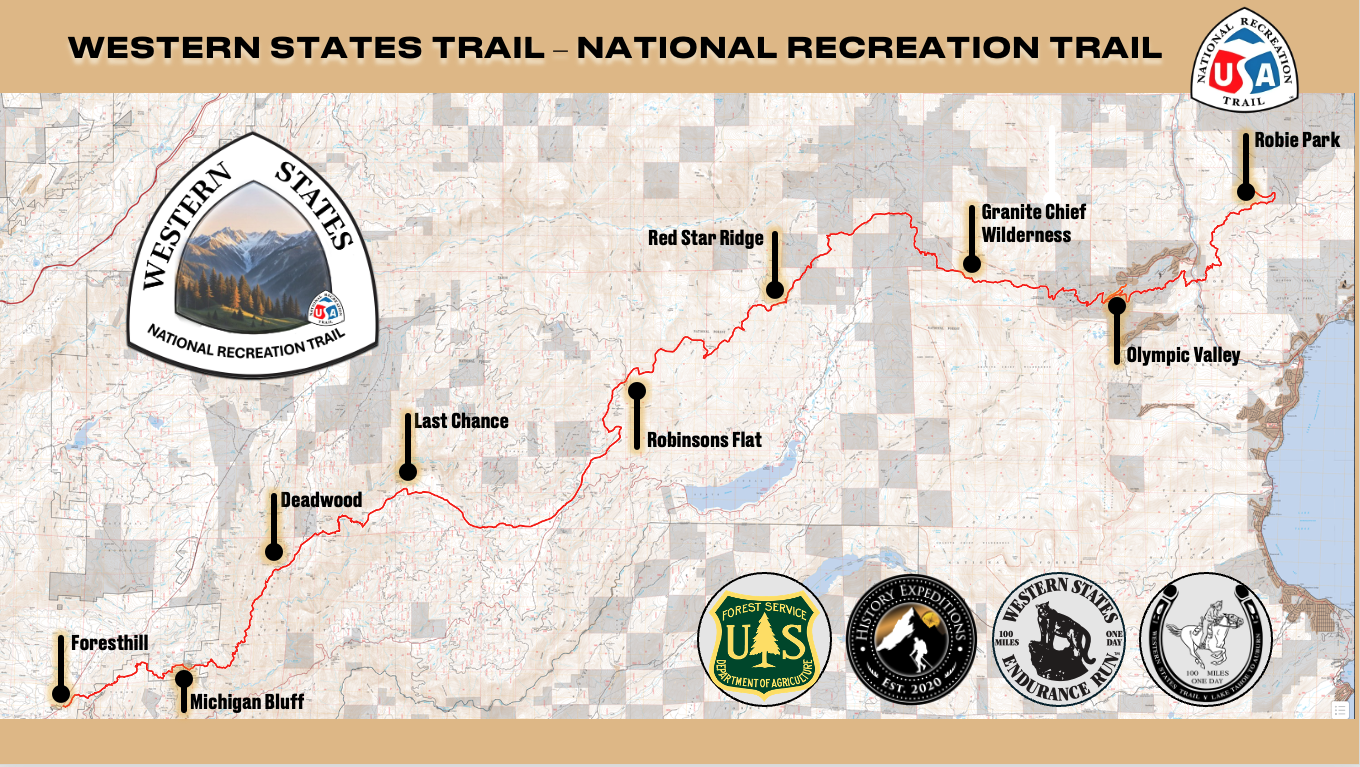
Details of the Western States Trail
What
When
The Western States Trail in was likely first used by white settlers in the 1840s and 1850s, coinciding with the California Gold Rush. While Native Americans and fur trappers used the area long before, the trail became a major route for white emigrants seeking gold and other opportunities.
Who
The Western States Trail has been used by a variety of people throughout history, including Native Americans, mountain men, pioneers, and Forty-Niners (the gold miners not the Joe Montana-led football team!).
- Native Americans:
The trail was initially used by Native American tribes like the Paiute, Washoe, Nissan and Maidu for hunting, trading, and gathering.
- Mountain Men and Fur Trappers:
These individuals, often working independently, used the trail for trade and exploration in the early 1800s.
- Emigrants and Pioneers:
The trail was a major route for those heading to California during the Gold Rush, including the Forty-Niners, and others seeking land and a new start.
- The Grosh Brothers:
In the winter of 1857, Ethan Allen Grosh and Maurice Bucke attempted to use the trail to travel from Silver City, NV to Grass Valley, CA. They carried with them proof that Ethan Allen and his non-deceased brother, Hosea Ballou, had discovered a mother lode of silver in Nevada. Grosh perished of frost bite in the mining town of Last Chance and their discovery was credited to Henry Comstock, who the brothers had contracted to care for their mine while away.
Modern Equestrians:Wendell Robie of Auburn, CA, organized and created the Tevis Cup equestrian ride in 1955. He and five other riders completed the 100-mile Western States Trail from Tahoe City to Auburn, proving that horses could cover the distance in a day.
- Modern Trail Runners:The Western States 100-Mile Endurance Run, regarded as the oldest and one of the most prestigious 100-mile trail races in the world, follows the historic trail, and attracts ultra-marathoners from around the world.
- Hikers, and Outdoor Enthusiasts:
The natural beauty and the historical significance of the trail make it a popular destination for hiking and other outdoor activities.
Where
The Western States Trail traverses a significant portion of the northern Sierra mountain range, starting in the Carson Valley of Nevada, over the Washoe Range, across the northern end of Lake Tahoe to Olypmic Valley (site of the 1960 Winter Olympics) and ending in Auburn, CA. It’s a multi-use trail that is also part of the American Discovery and Pioneer Trails. The trail is known for its challenging terrain and elevation changes, including a steep climb to Emigrant Pass.
- Starting Point: The Western States Trail originates near the Carson Valley, NV and heads west to Olympic Valley, CA, at the site of the 1960 Winter Olympics, on the valley floor at an elevation of 6,200 feet.
- Sierra Crest: The trail ascends to the Sierra Crest and then drops into Picayune Valley, following Picayune Creek down to the middle fork of the American River.
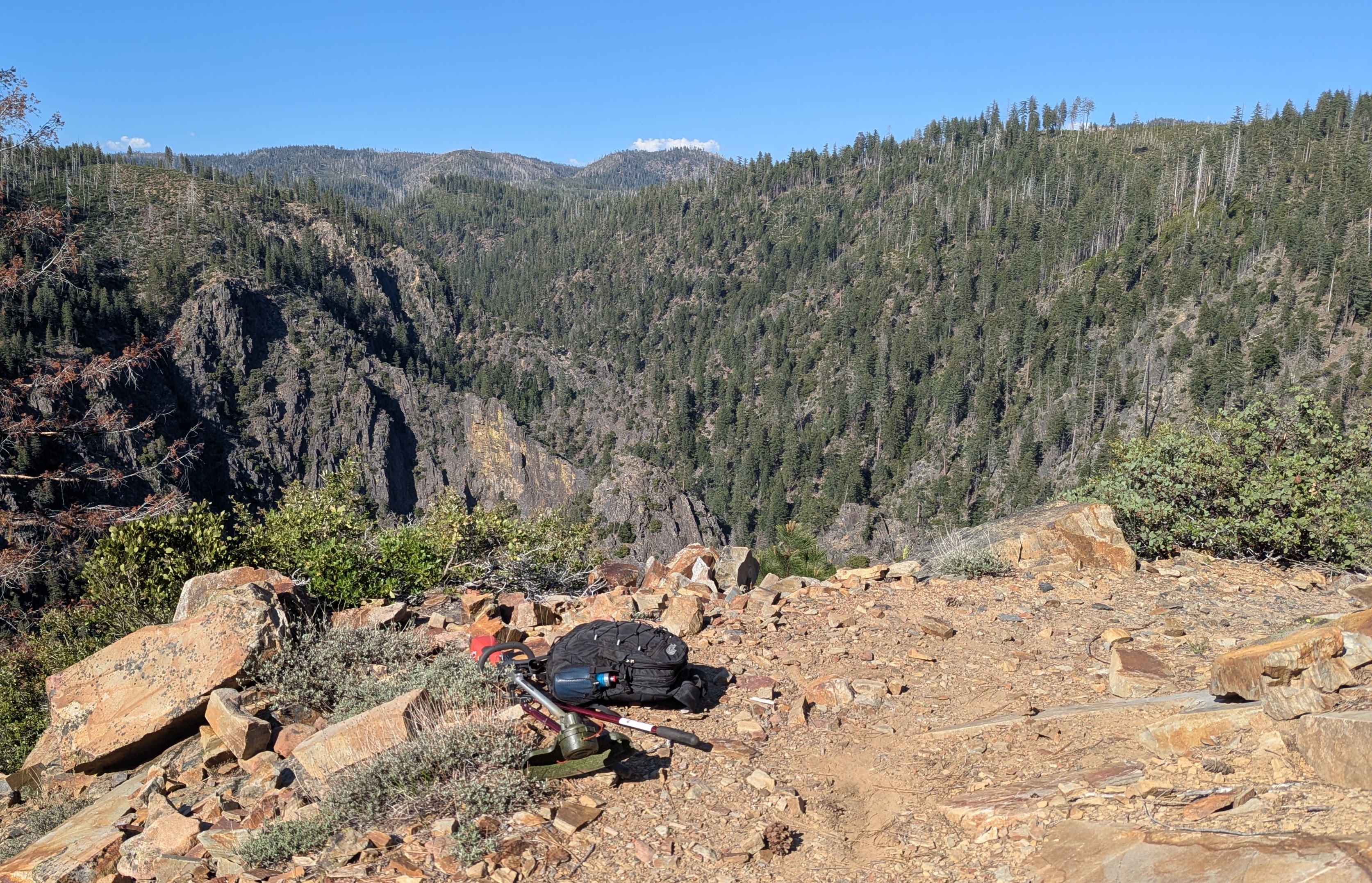
- Granite Chief Wilderness: The trail passes through the Granite Chief Wilderness area, a rugged, scenic area located on the west shore of Lake Tahoe and managed by the Tahoe National Forest Service. It’s characterized by exposed granite formations, glacier-carved valleys, forests and mountain meadows.
- Tahoe National Forest: A significant portion of the trail is within the Tahoe National Forest. The trail crosses the Granite Chief Wilderness, following Red Star Ridge, Duncan Canyon, and Robinson Flat, averaging 7,000 feet in altitude.
- American Discovery Trail: The Western States Trail is part of the American Discovery Trail, a coast-to-coast network of trails.
- Ending Point: The trail ends in Auburn, California.
- Historical Significance: The route was historically used as a short route over the Sierra Nevada.
Why & Deliverables
- In order to preserve and protect this unique gem of the Sierra, a rare continuous point-to-point trail through some of America’s most scenic wilderness, it was conceived in the 1970s, by a group of conservationists and historians, to have the Western States Trail designated as a National Recreation Trail.
- Although Congress approved this plan, it was never implemented for a variety of reasons. Today, there is new energy from both the private and public sector to reignite the National Recreation Trail (NRT) designation.
- With a public-private alliance that is now aligned with a shared vision, it is believed the NRT designation will finally be designated by mid-2026 if not sooner.
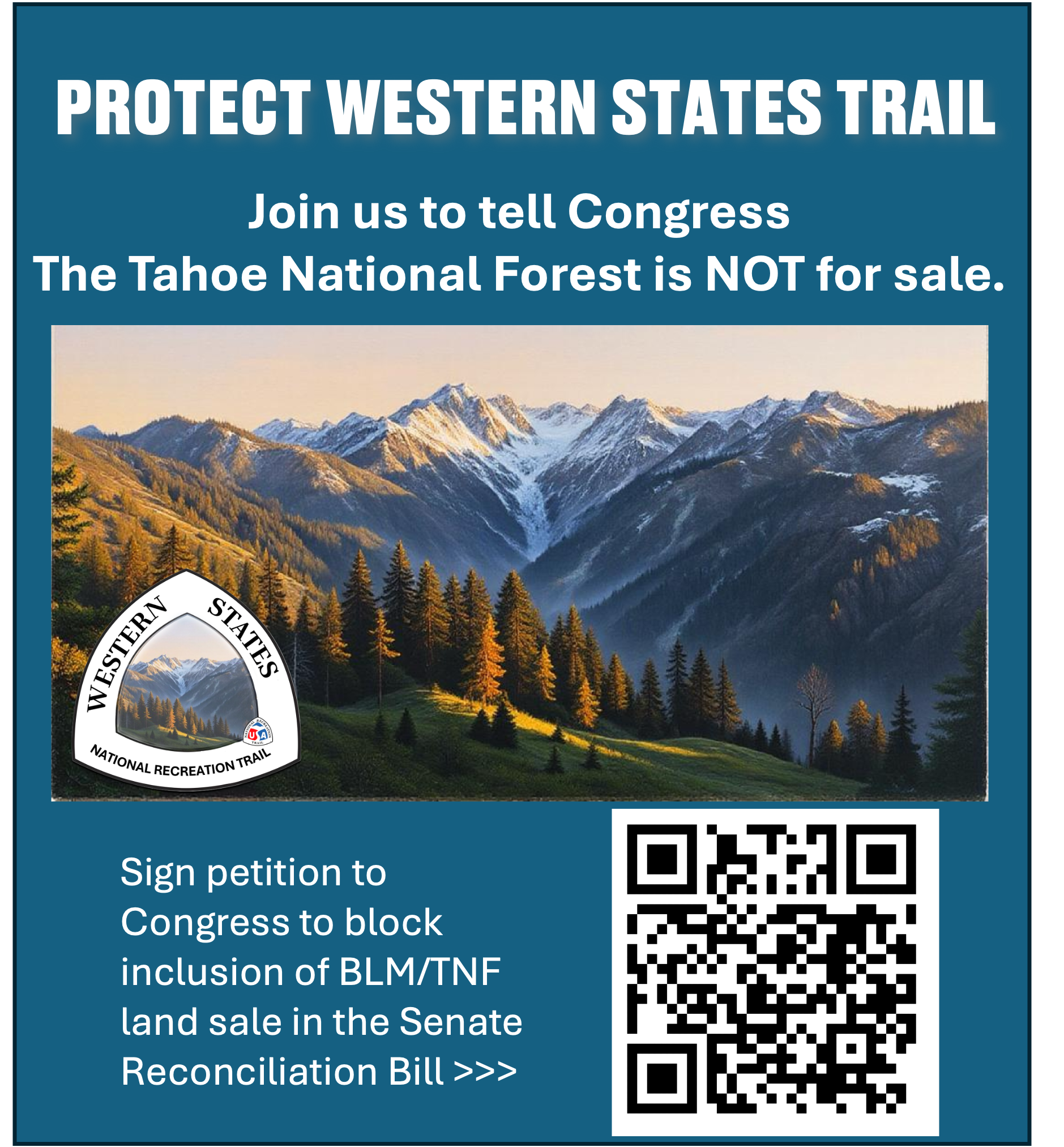
Sign petition for National Recreation Trail (NRT) designation of the Western States Trail HERE
How
Preserving and protecting America’s wilderness and the trails within, so that all of the world can witness , enjoy and recreate upon them, requires thoughtful and diligent cooperation aligned in a single vision. Hal Hall, one of our History Expedition teammates, has persevered for years, pursuing this important quest.
Thankfully, we now have such a vision and alliance and look forward to having the Western States Trail designated as a National Recreation Trail to assure it will remain open and available for the world to enjoy.
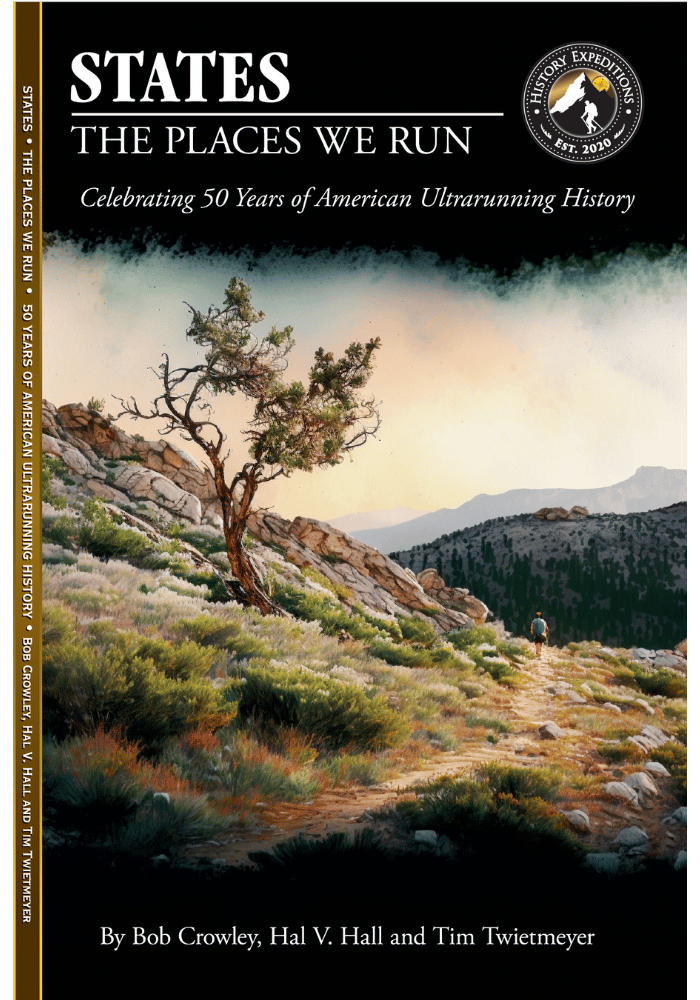
The definitive book about the Western States Trail
Learn about the history and origin of 75 places along the WS Trail. Click on the book above for a free e-book download.
Annual Entry into WSER
In 2025, as a way to highlight and emphasize the important of trail stewardship, History Expeditions teamed up with the Western States Endurance Run Foundation (WSERF) to create a runner’s entry into the renowned Western States 100 Mile Endurance Run (WSER) for an individual who has consistently provided significant hours each year, volunteering to protect and preserve the WS Trail.
The 2025 recipient of the History Expeditions entry is Pamela Coughlin.
Opportunities to Volunteer
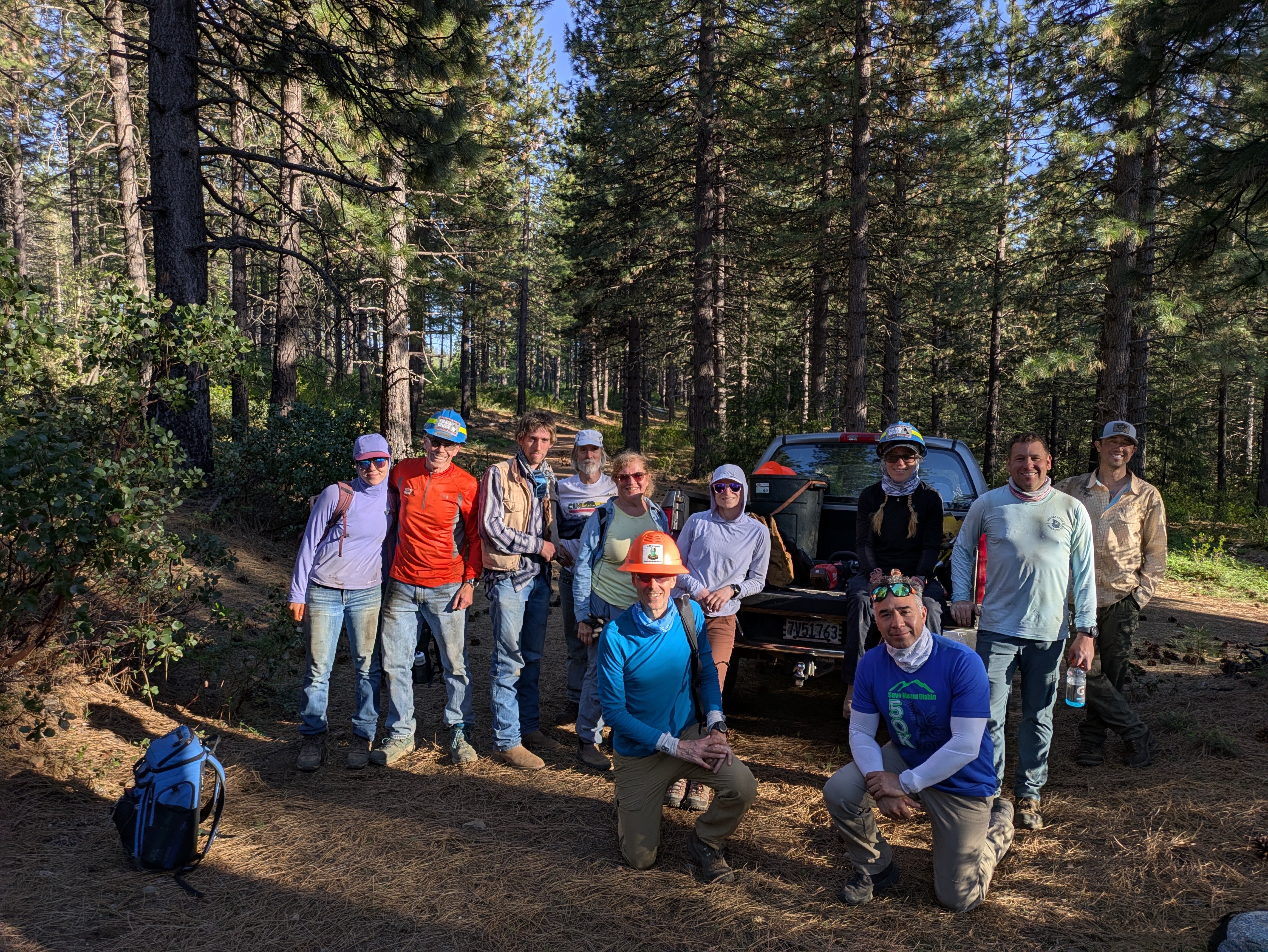
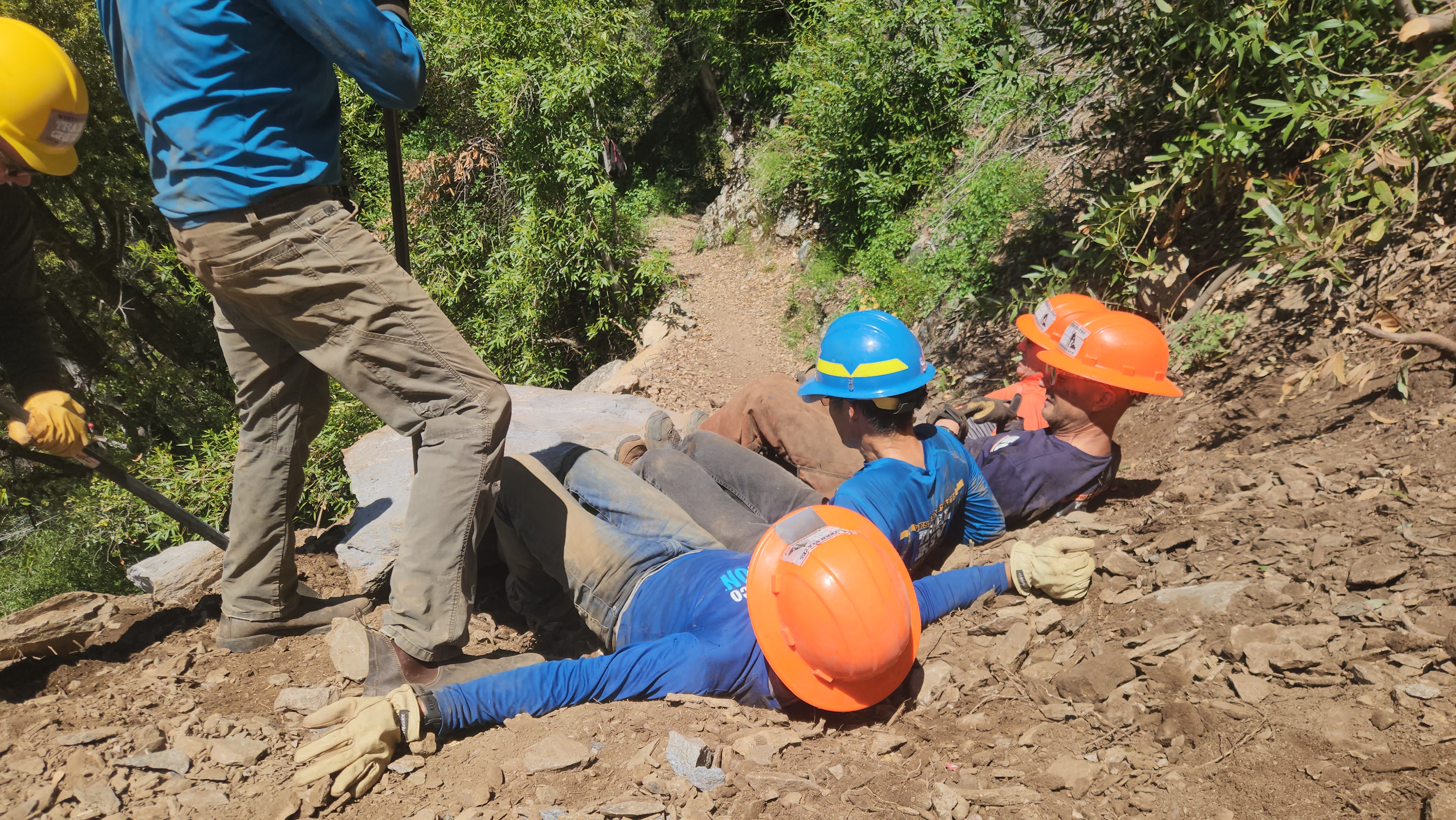
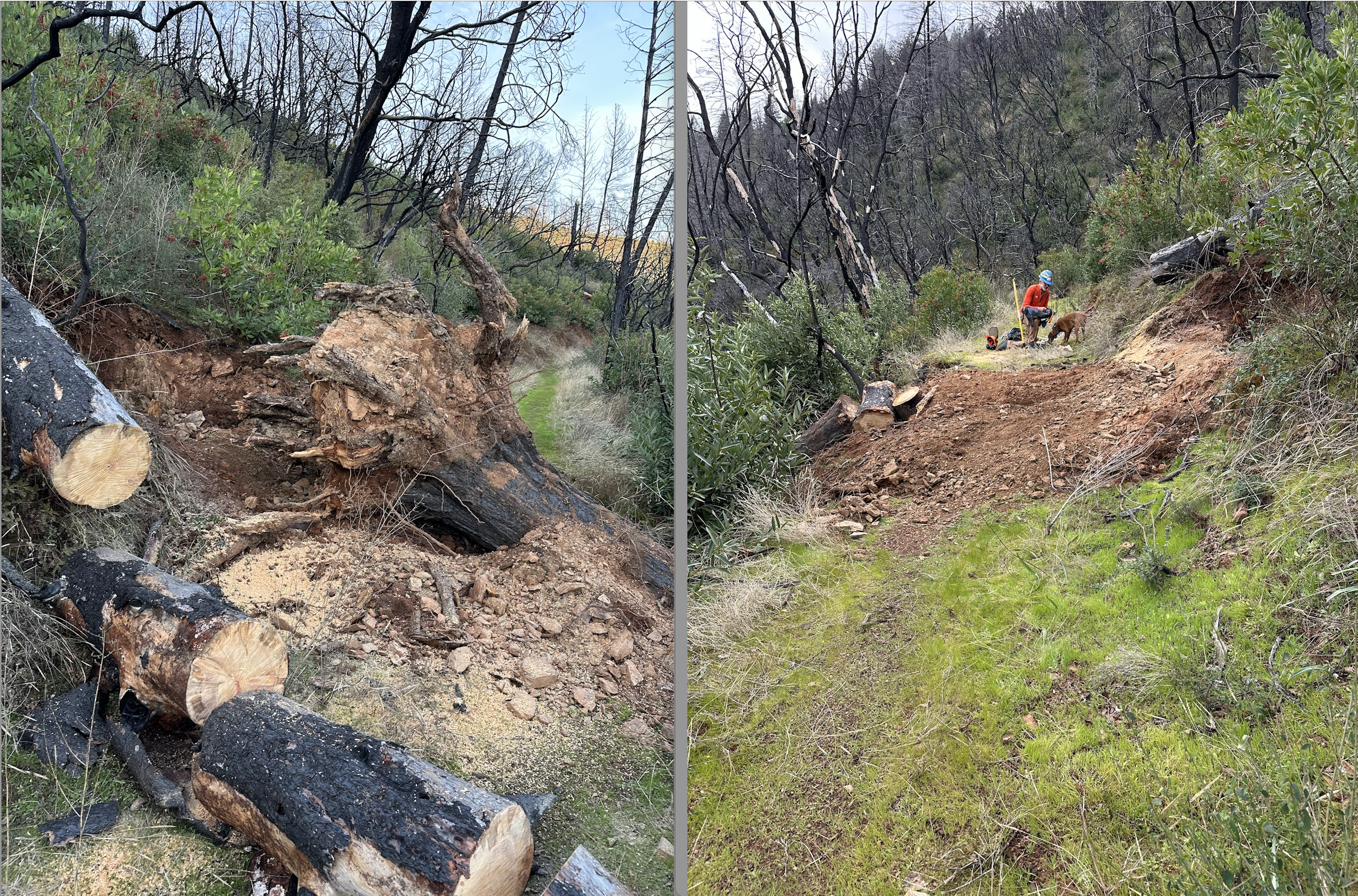
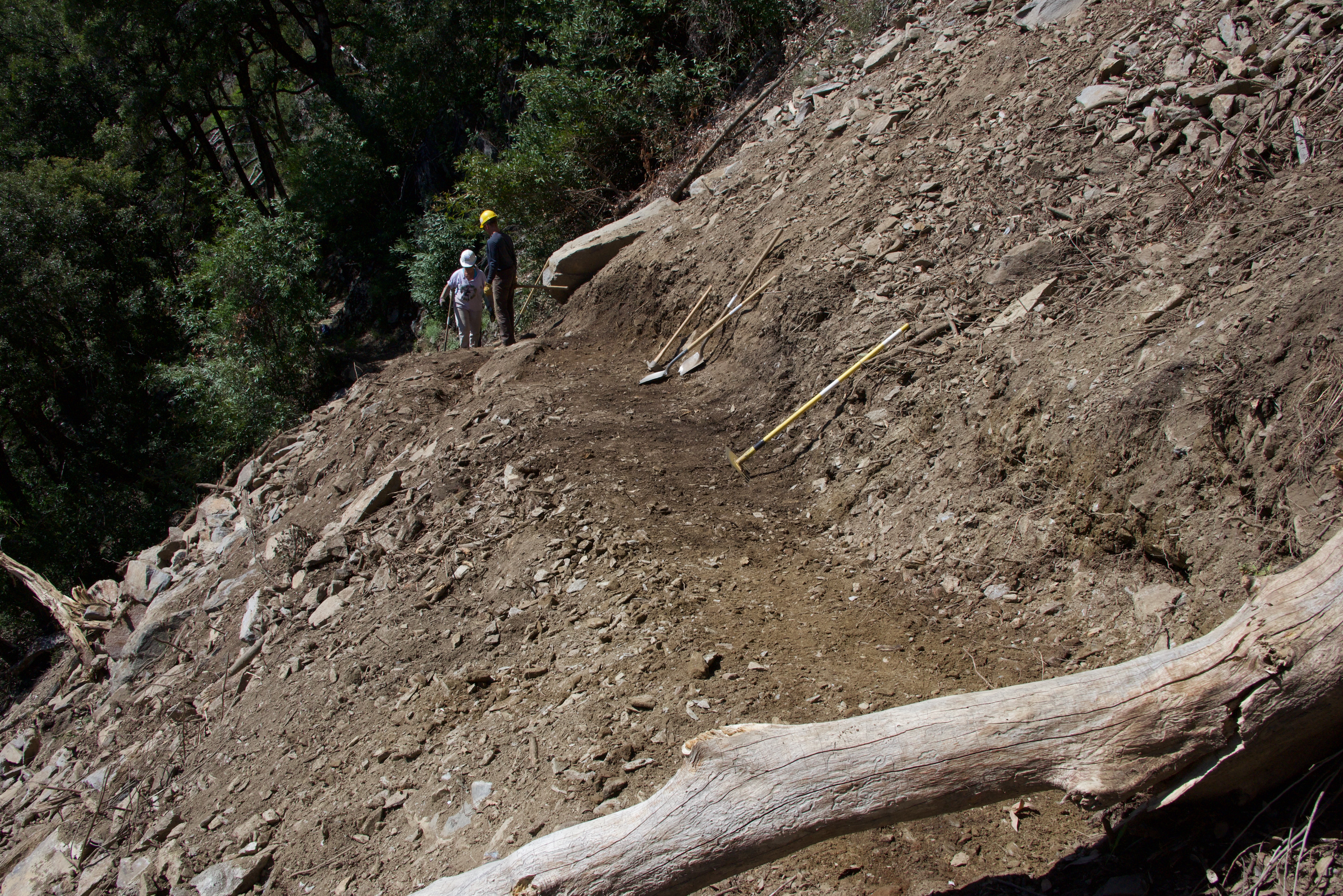
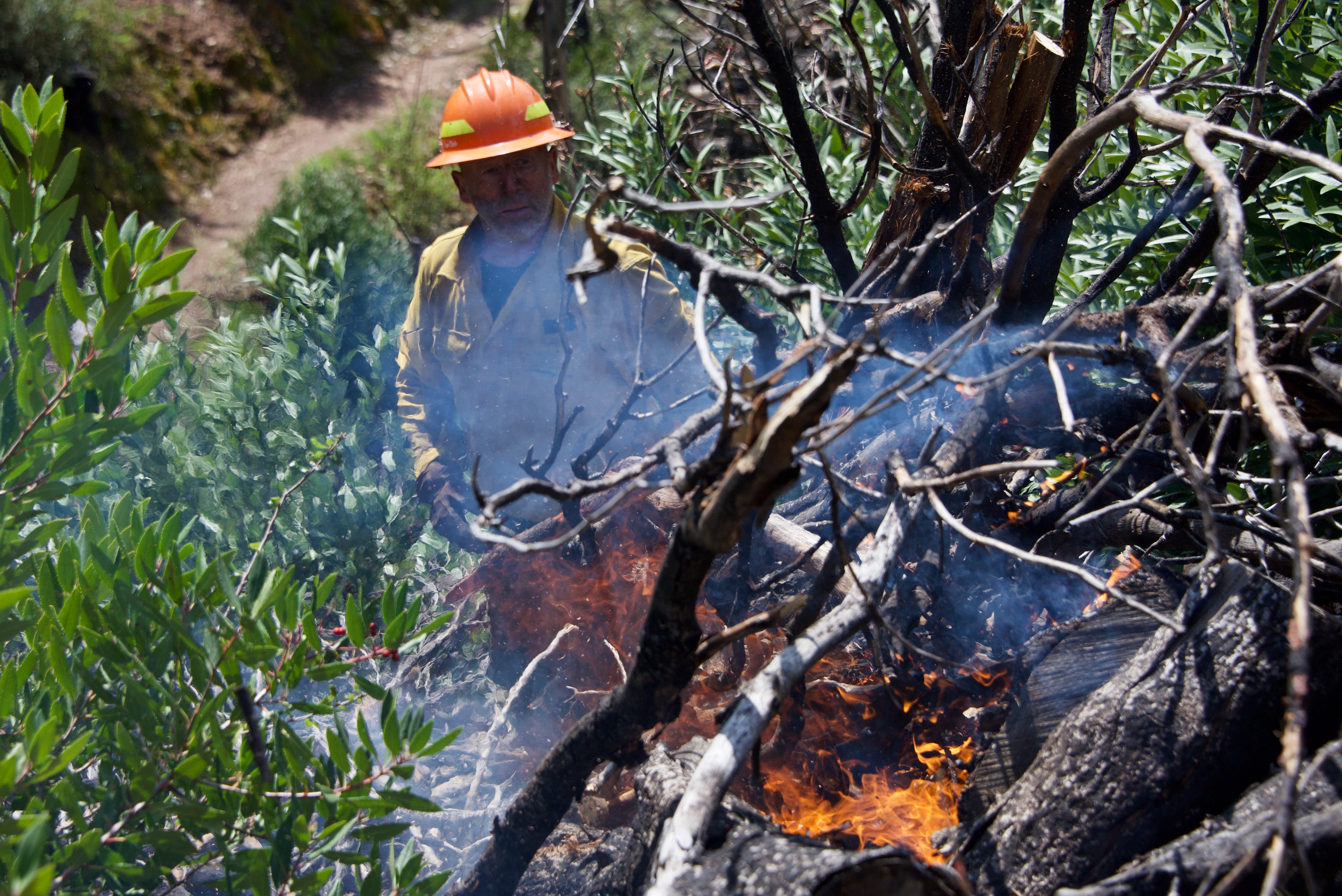
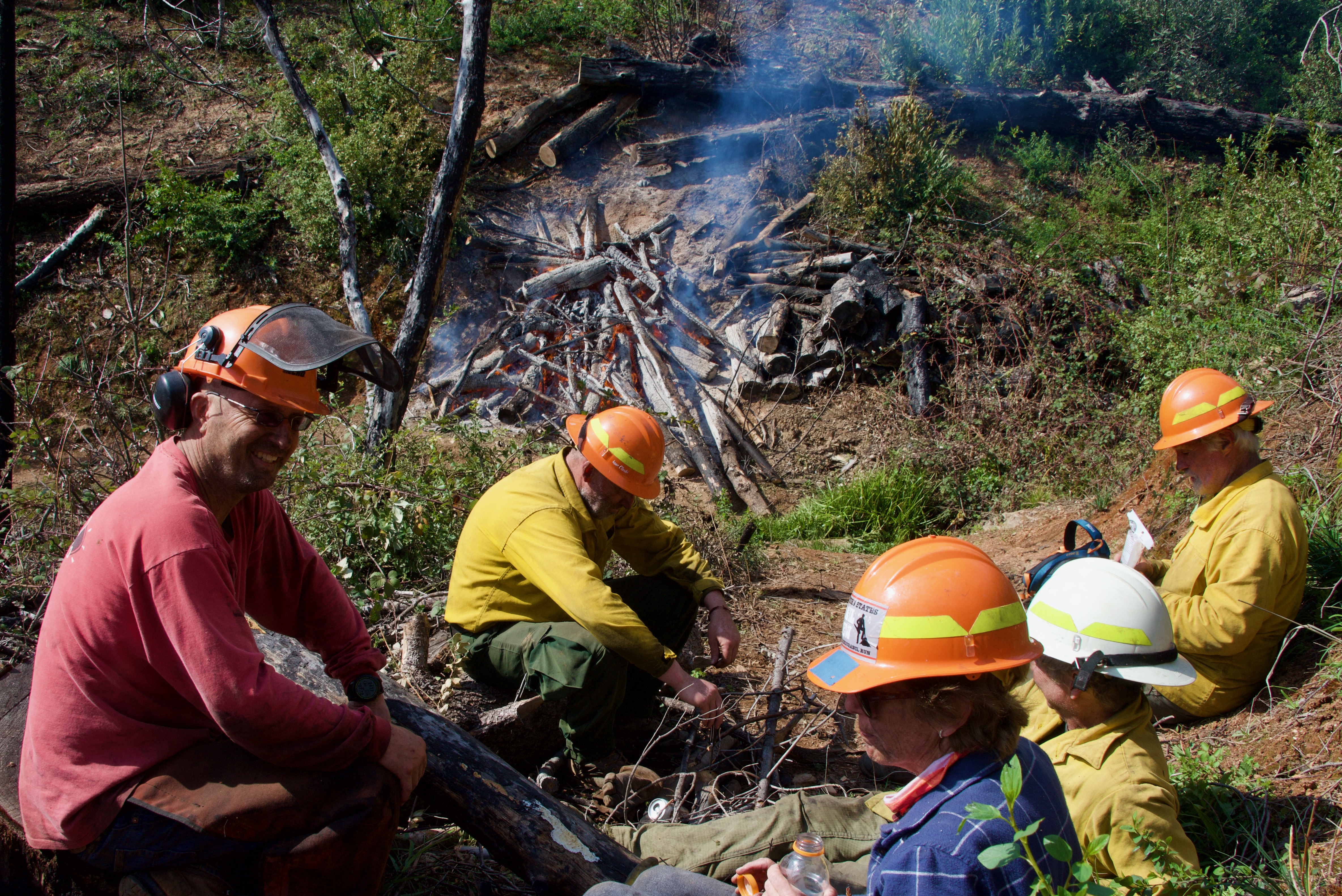
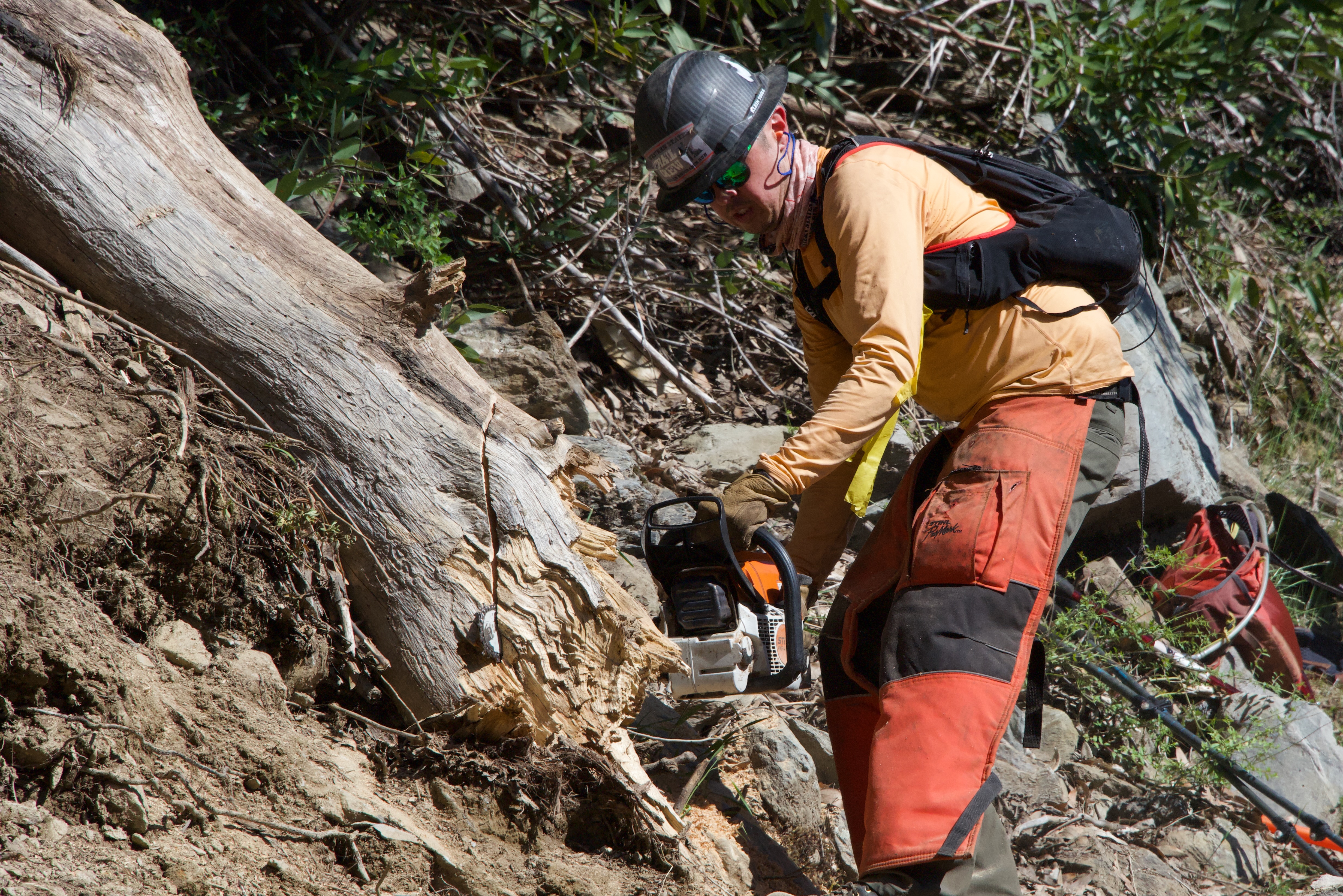
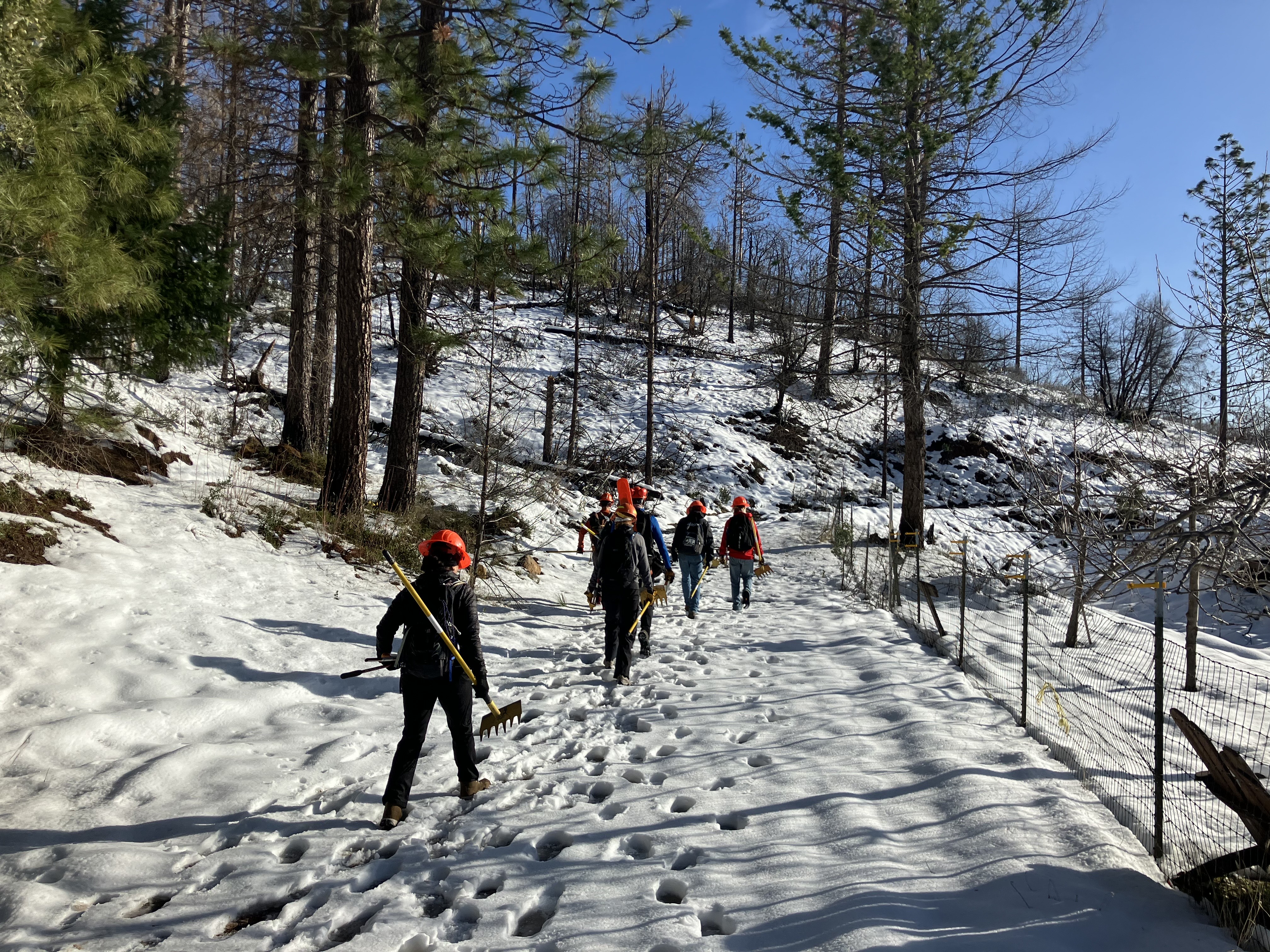
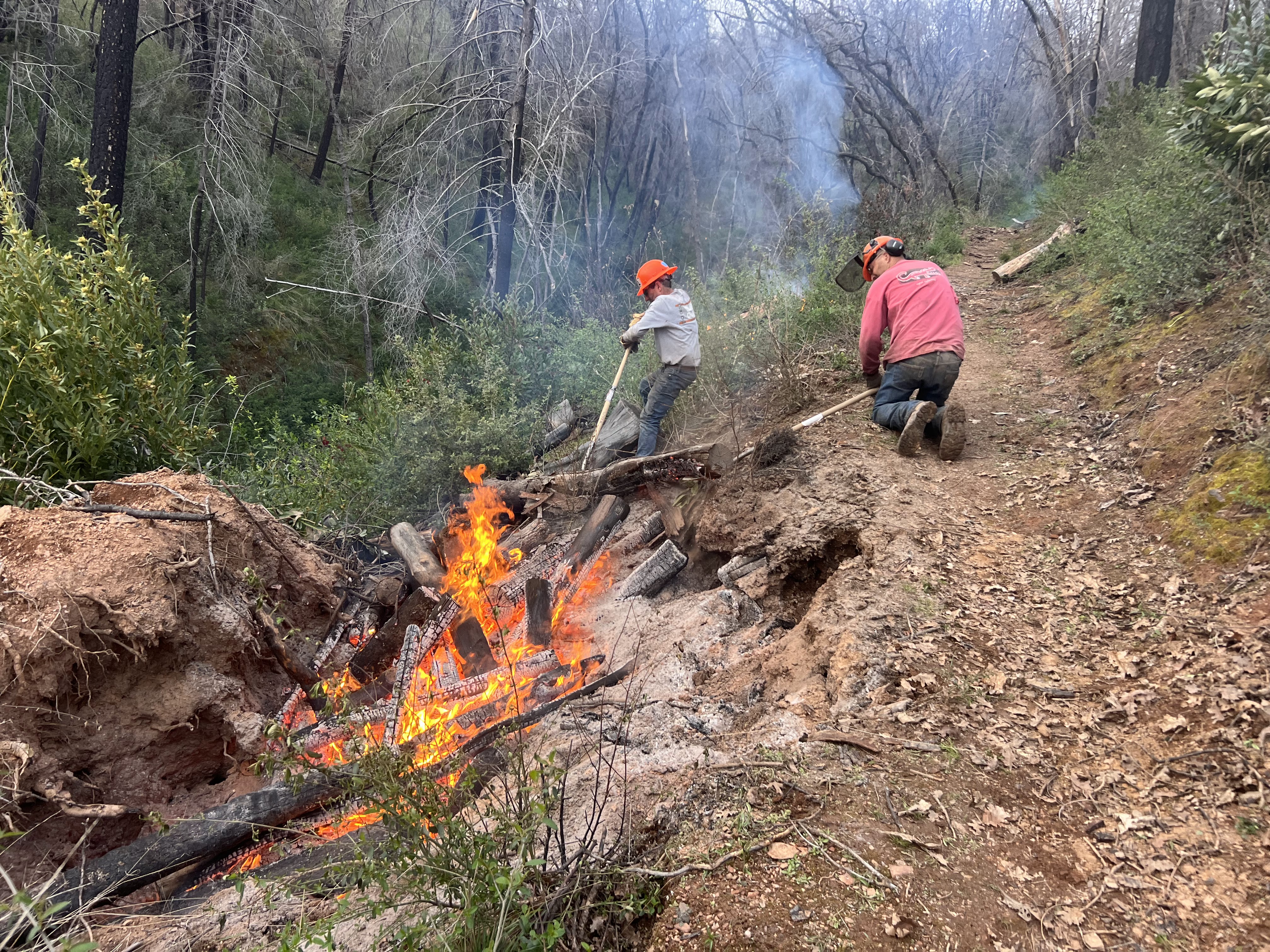
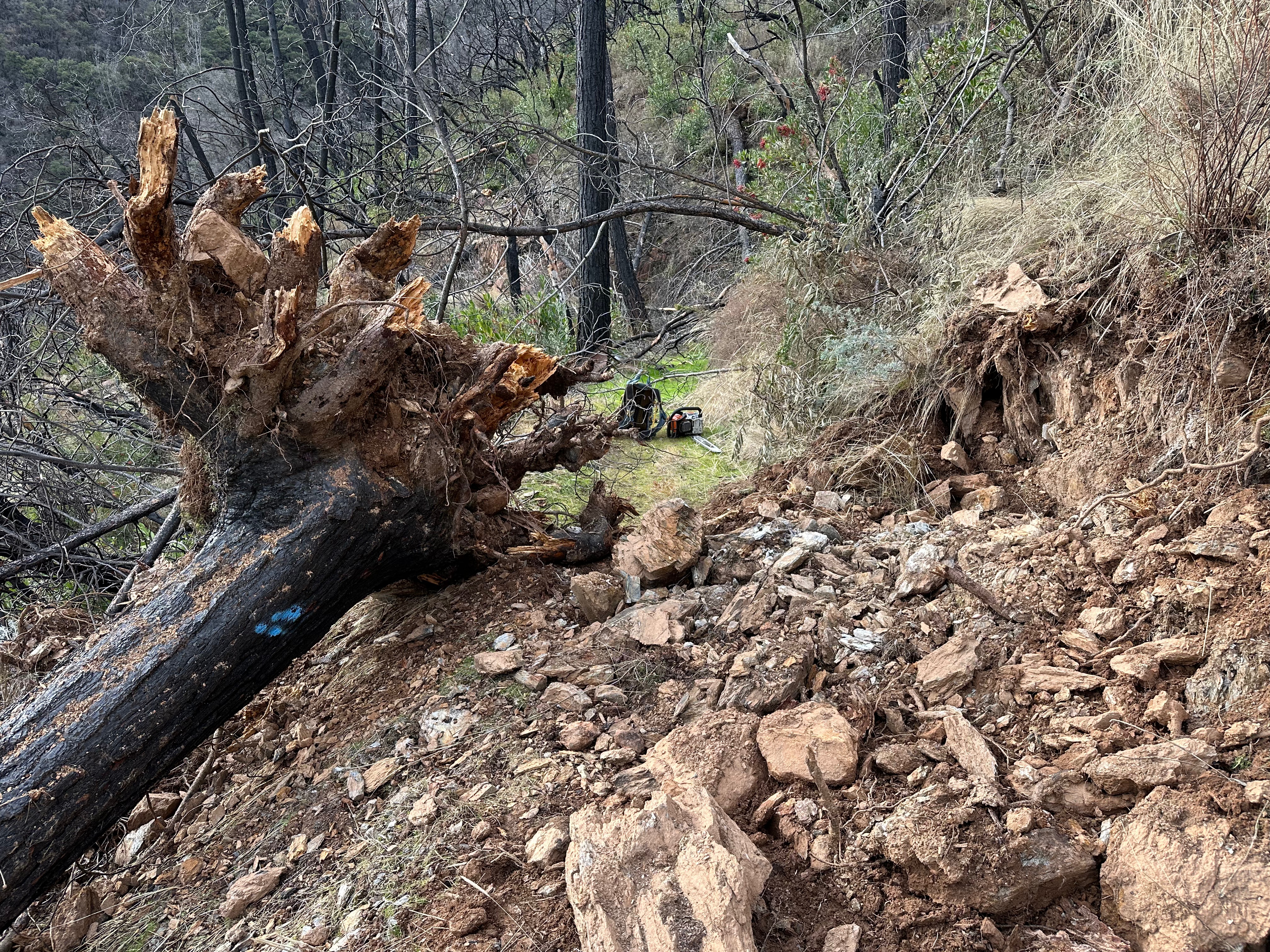
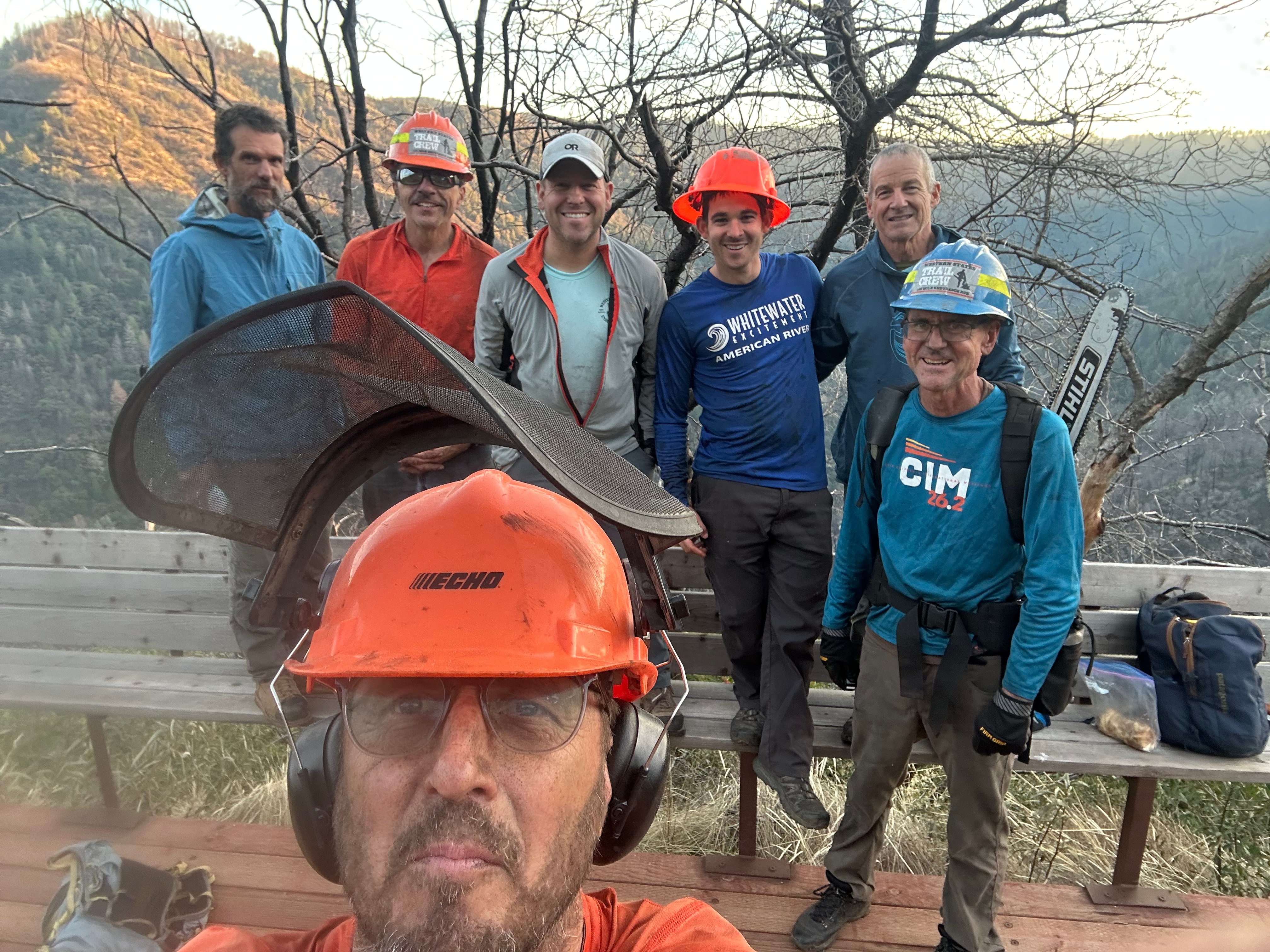
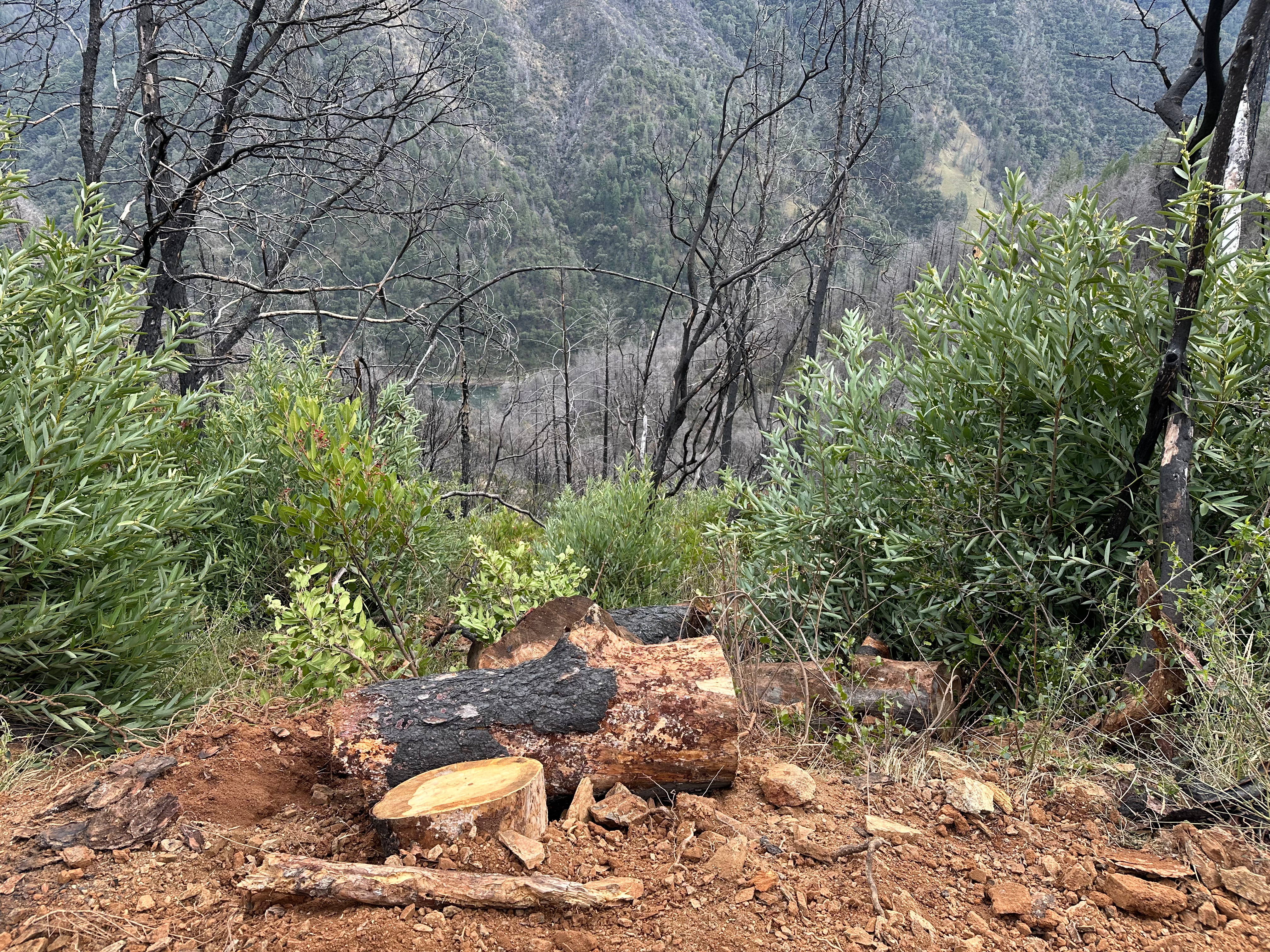
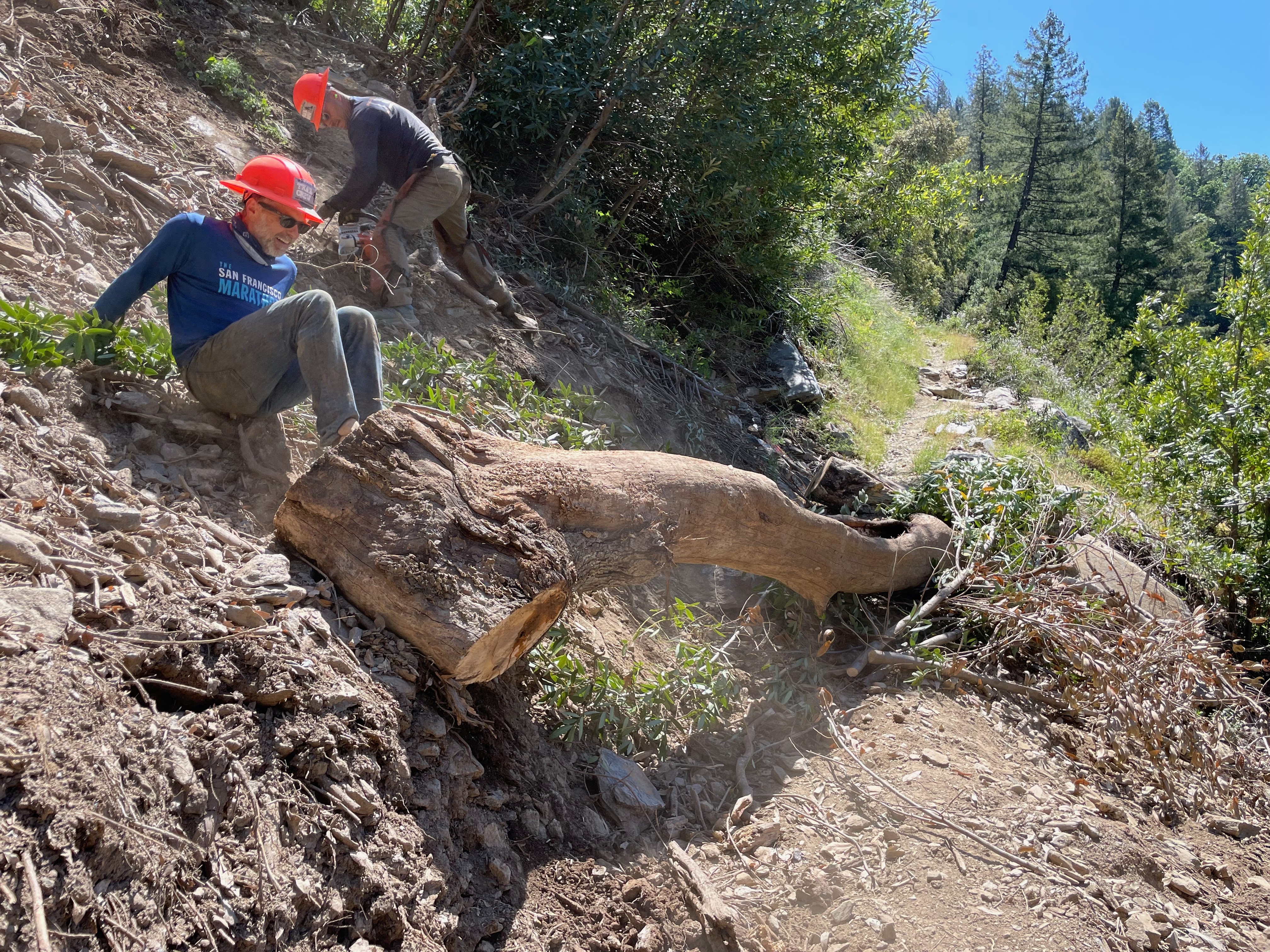
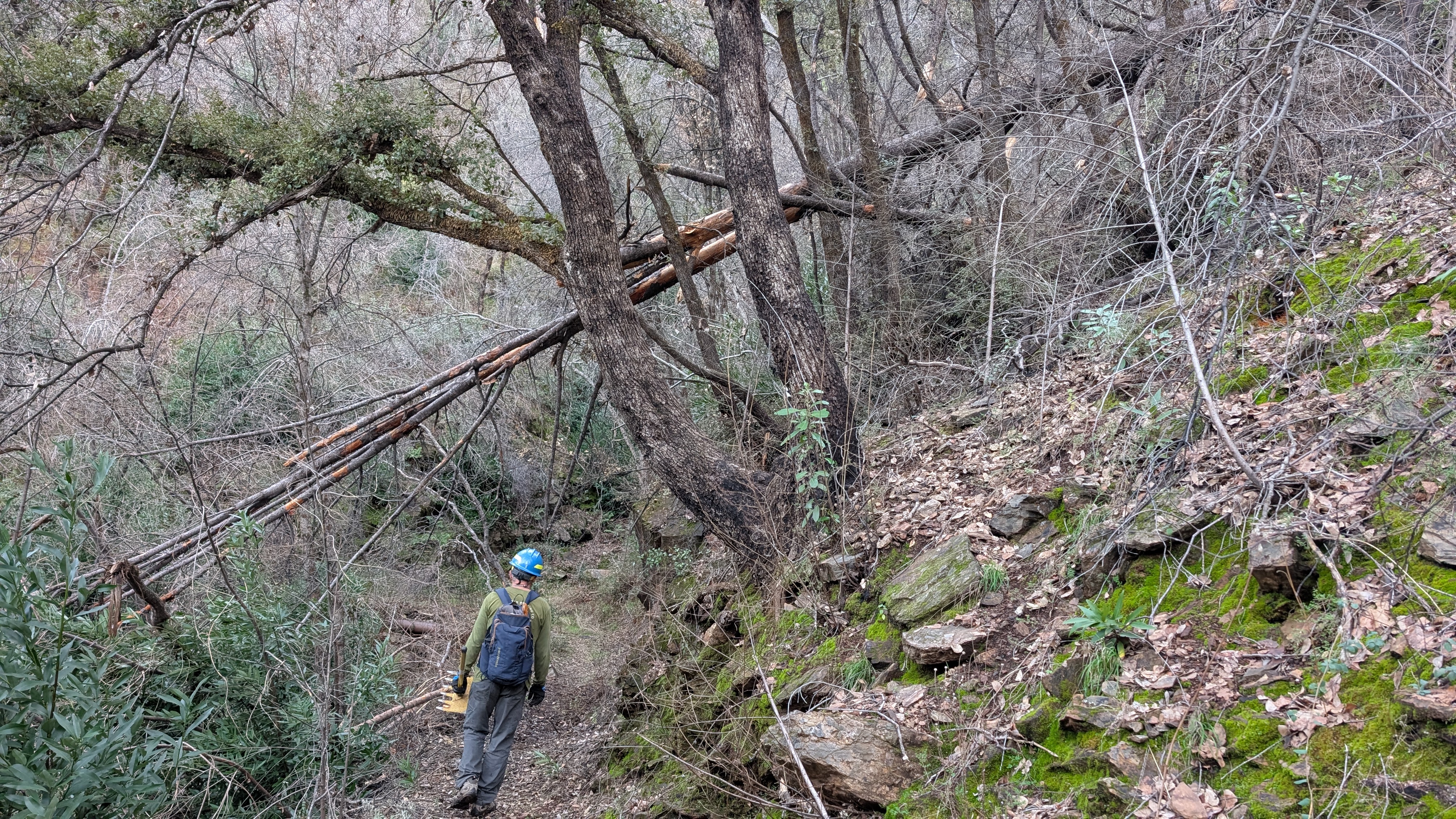
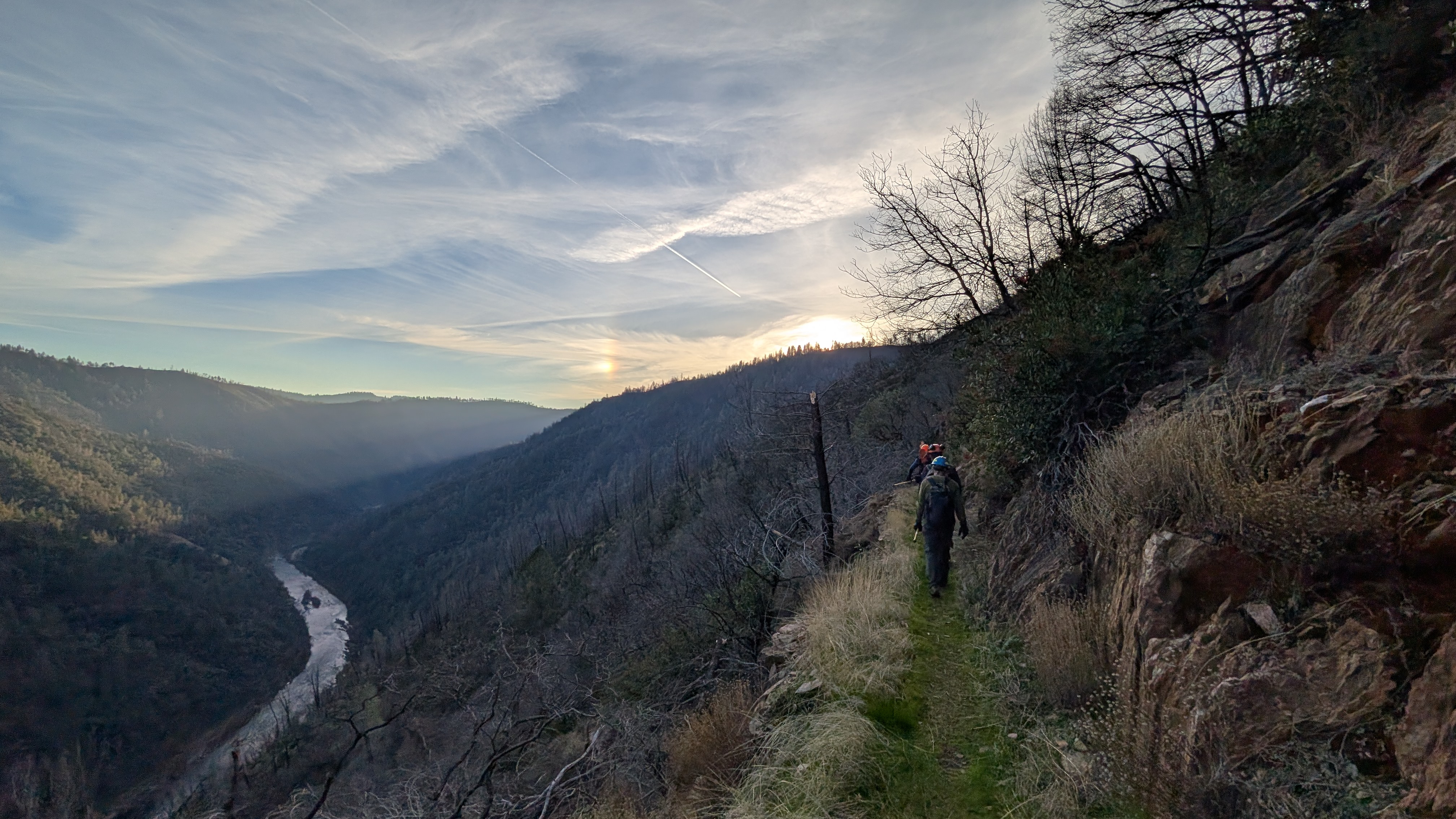
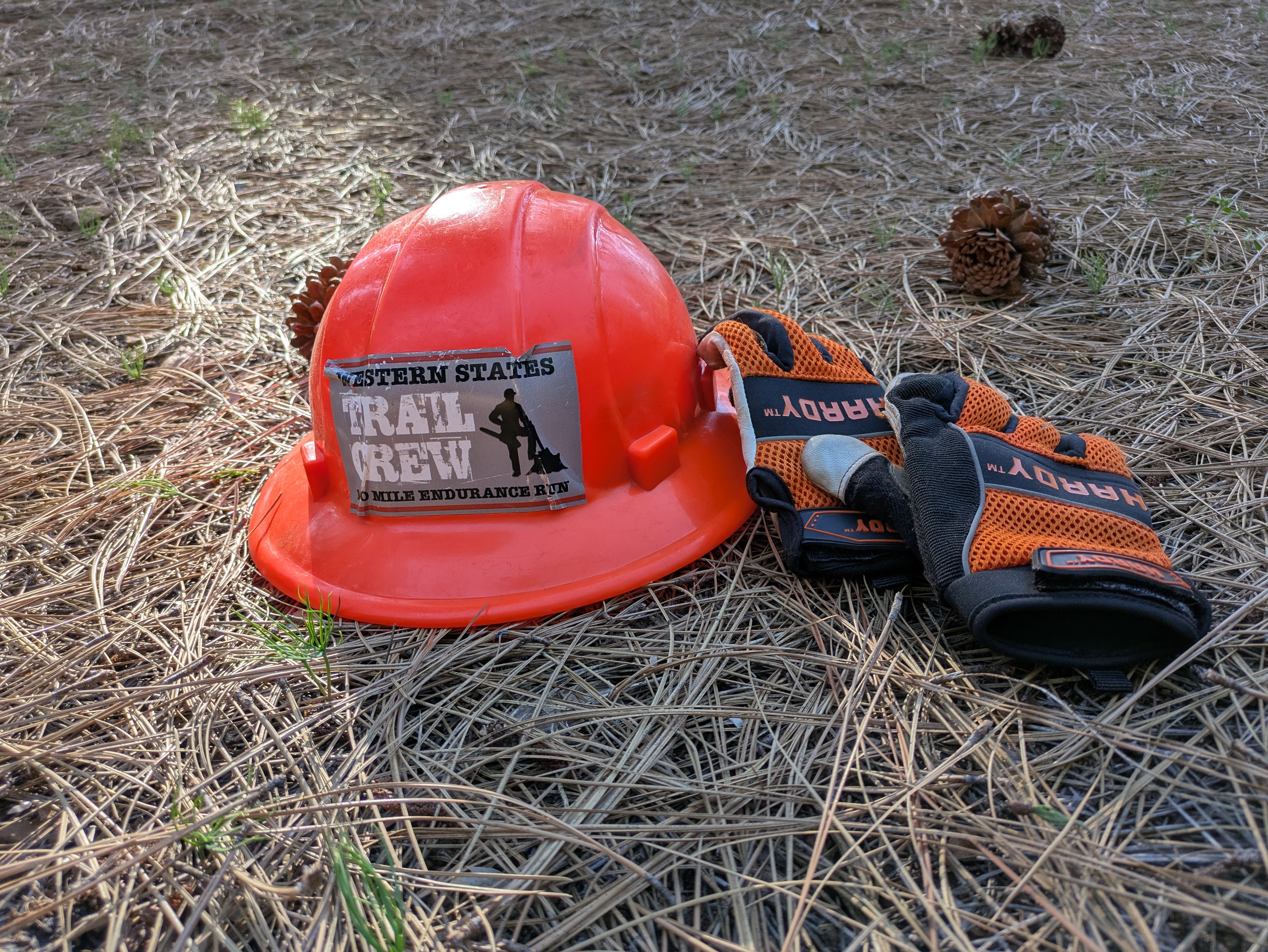
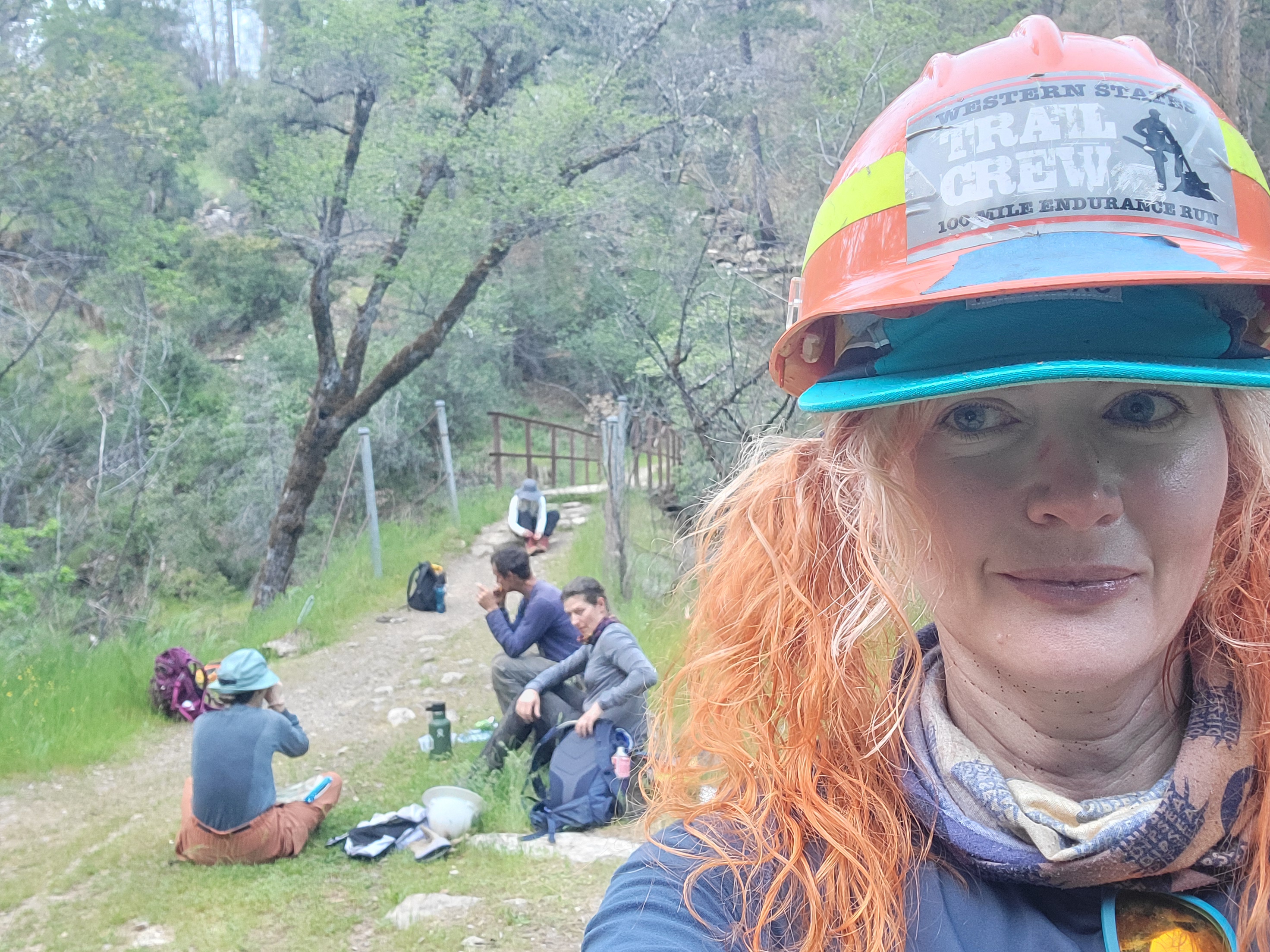
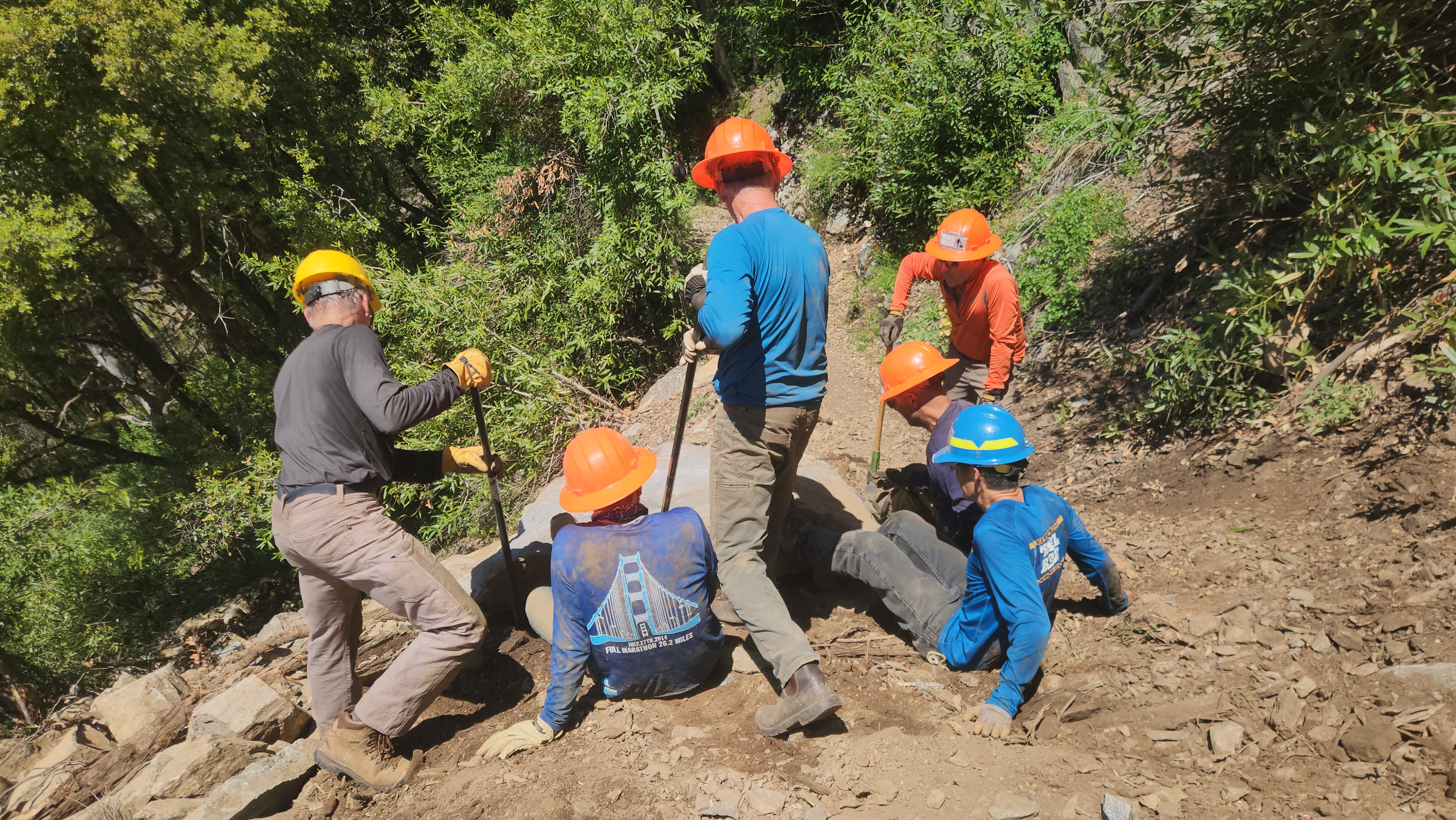
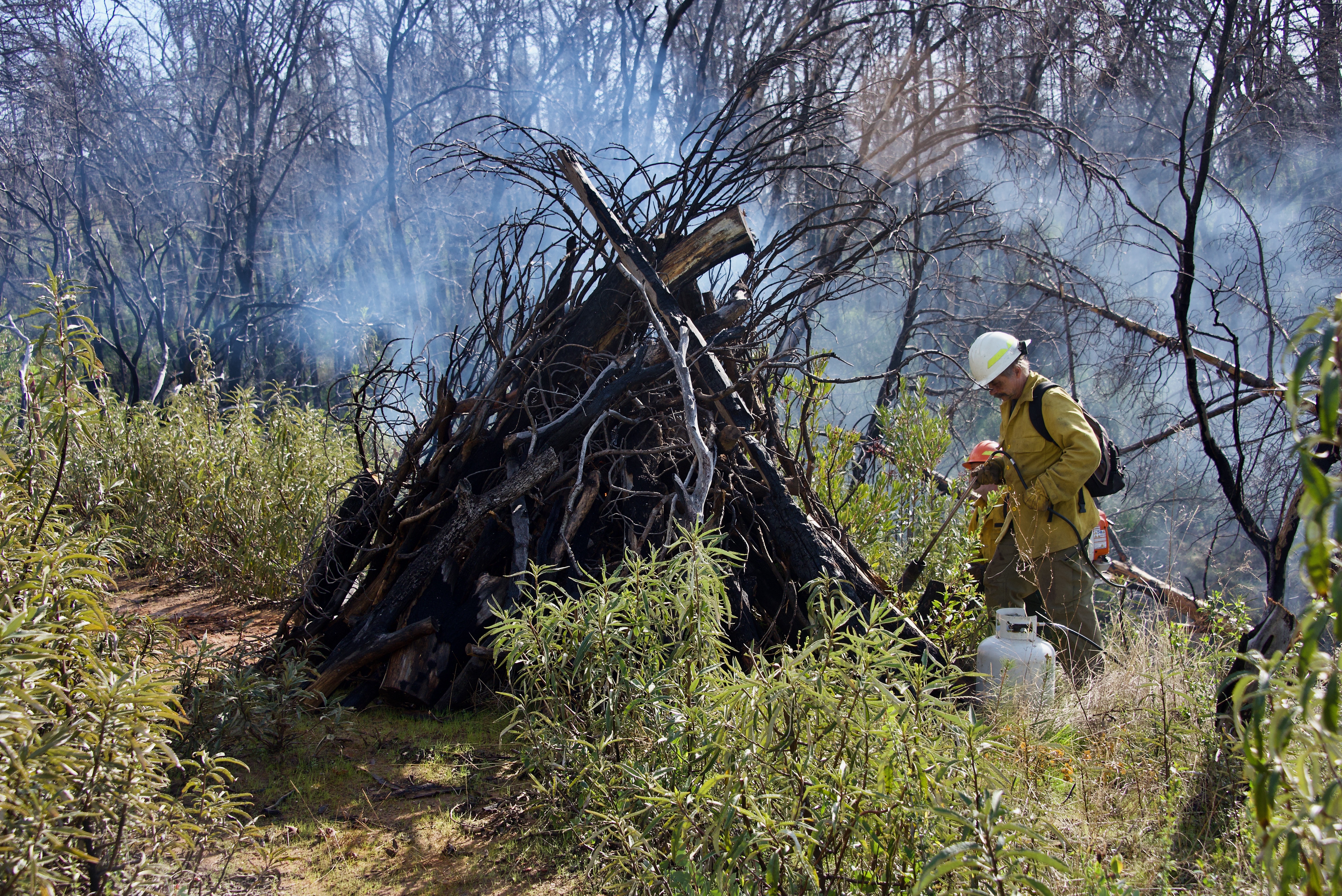
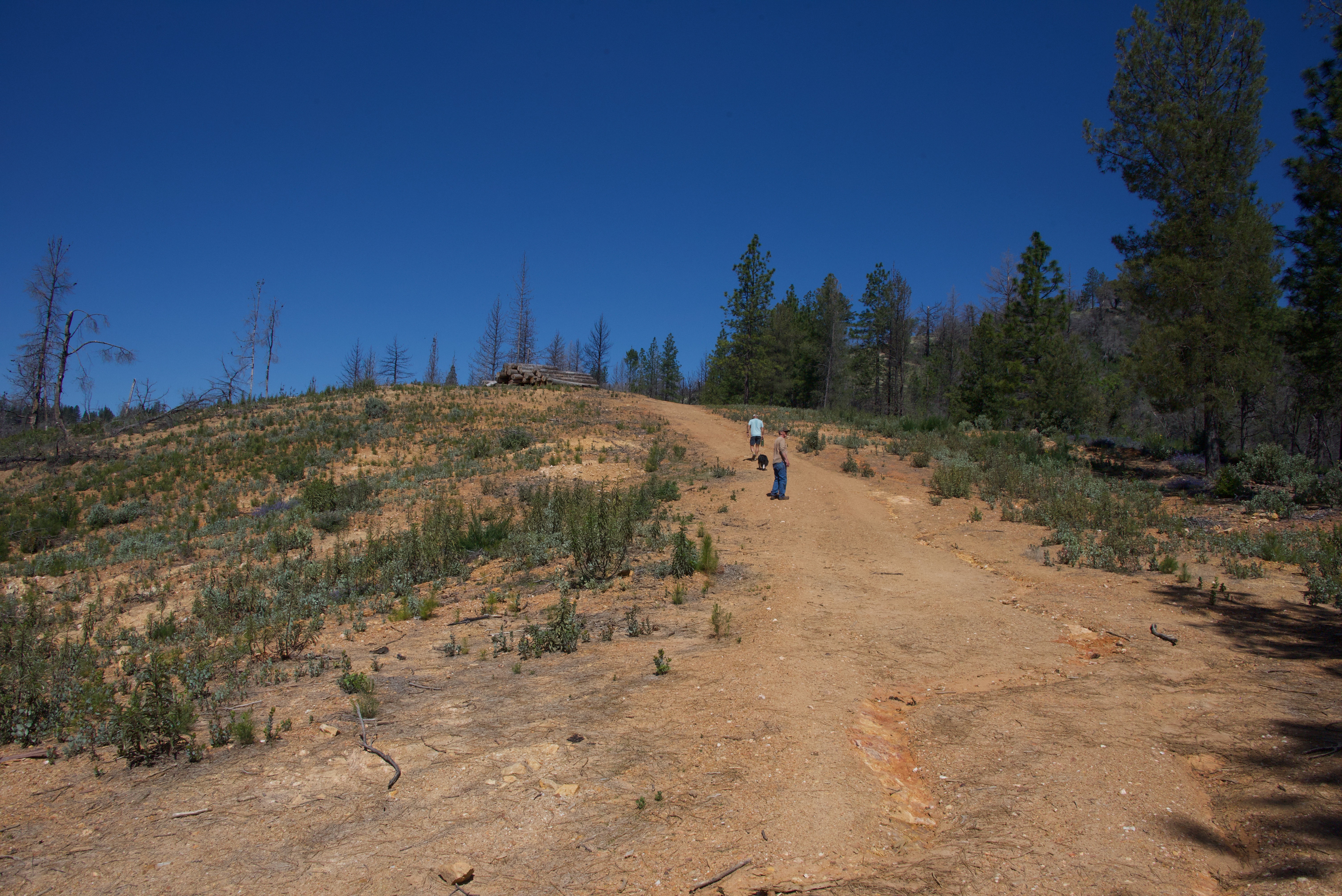
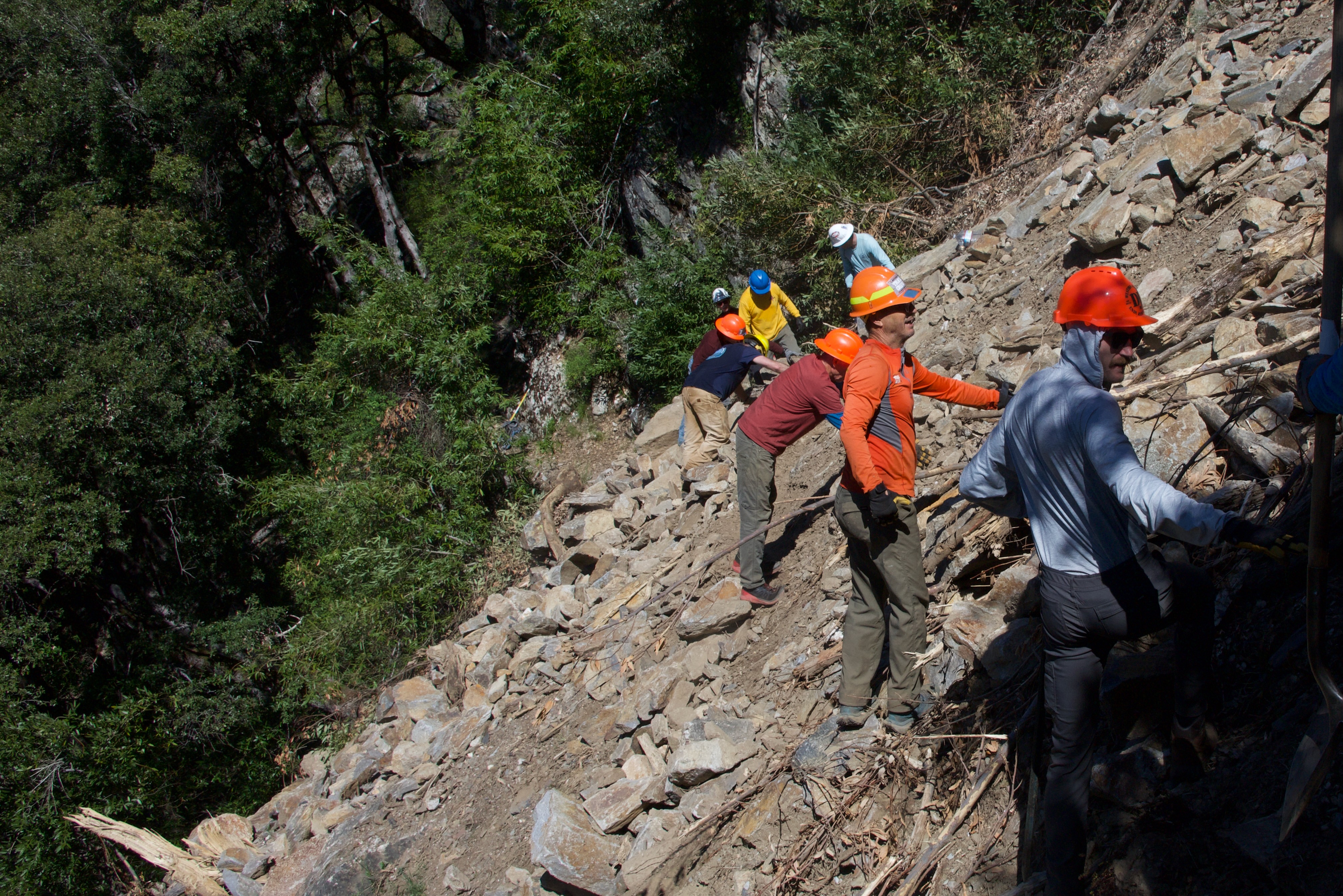
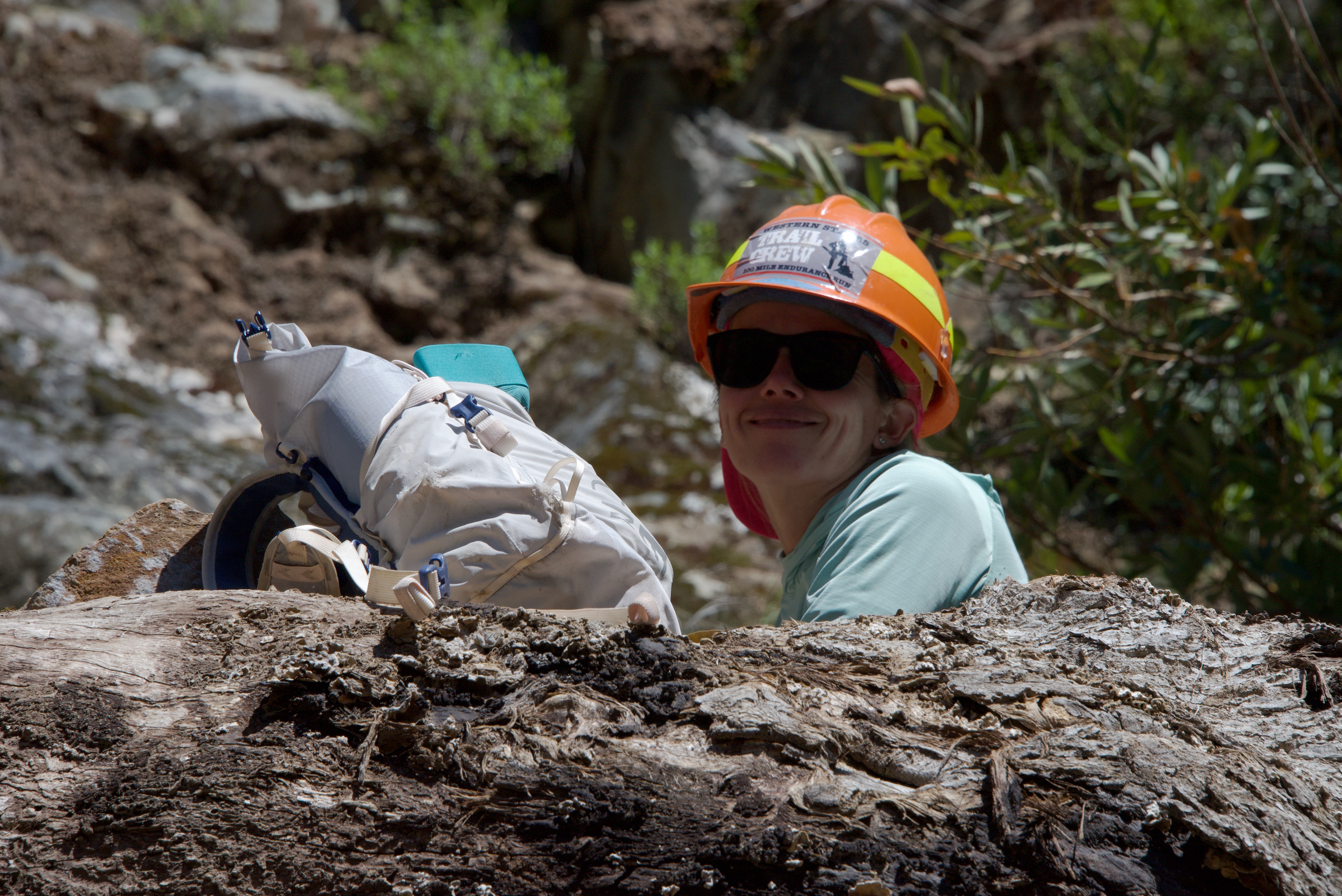
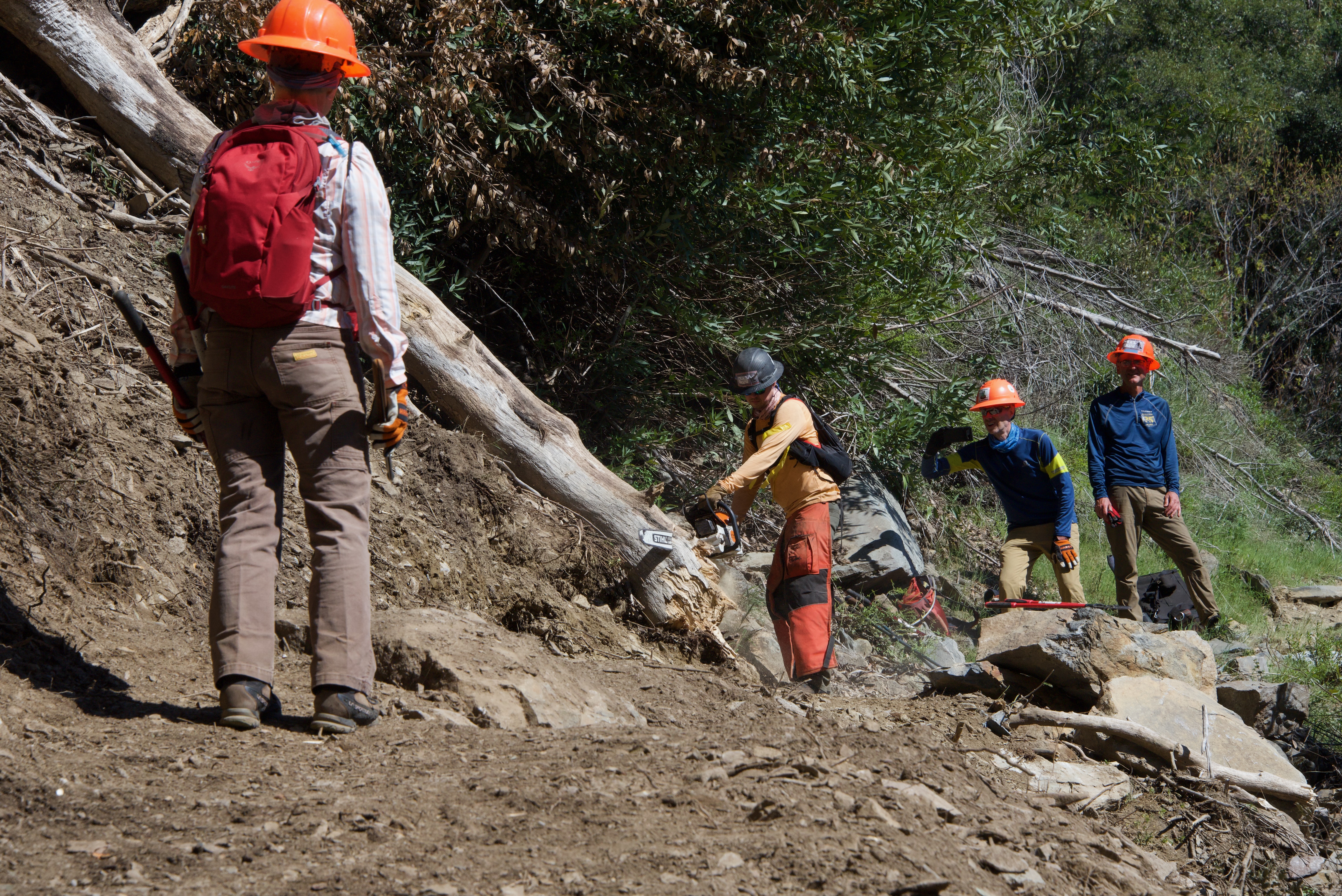
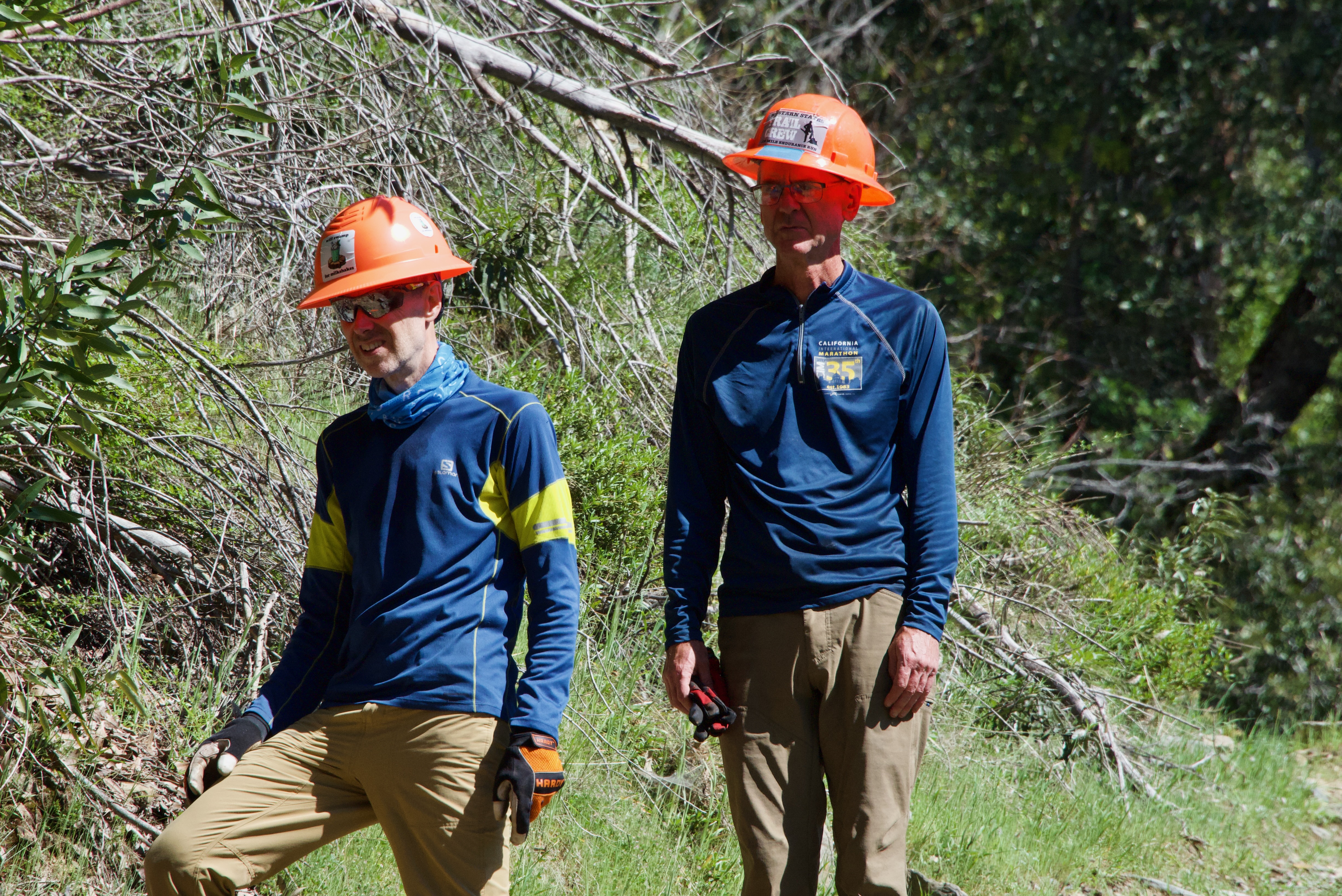
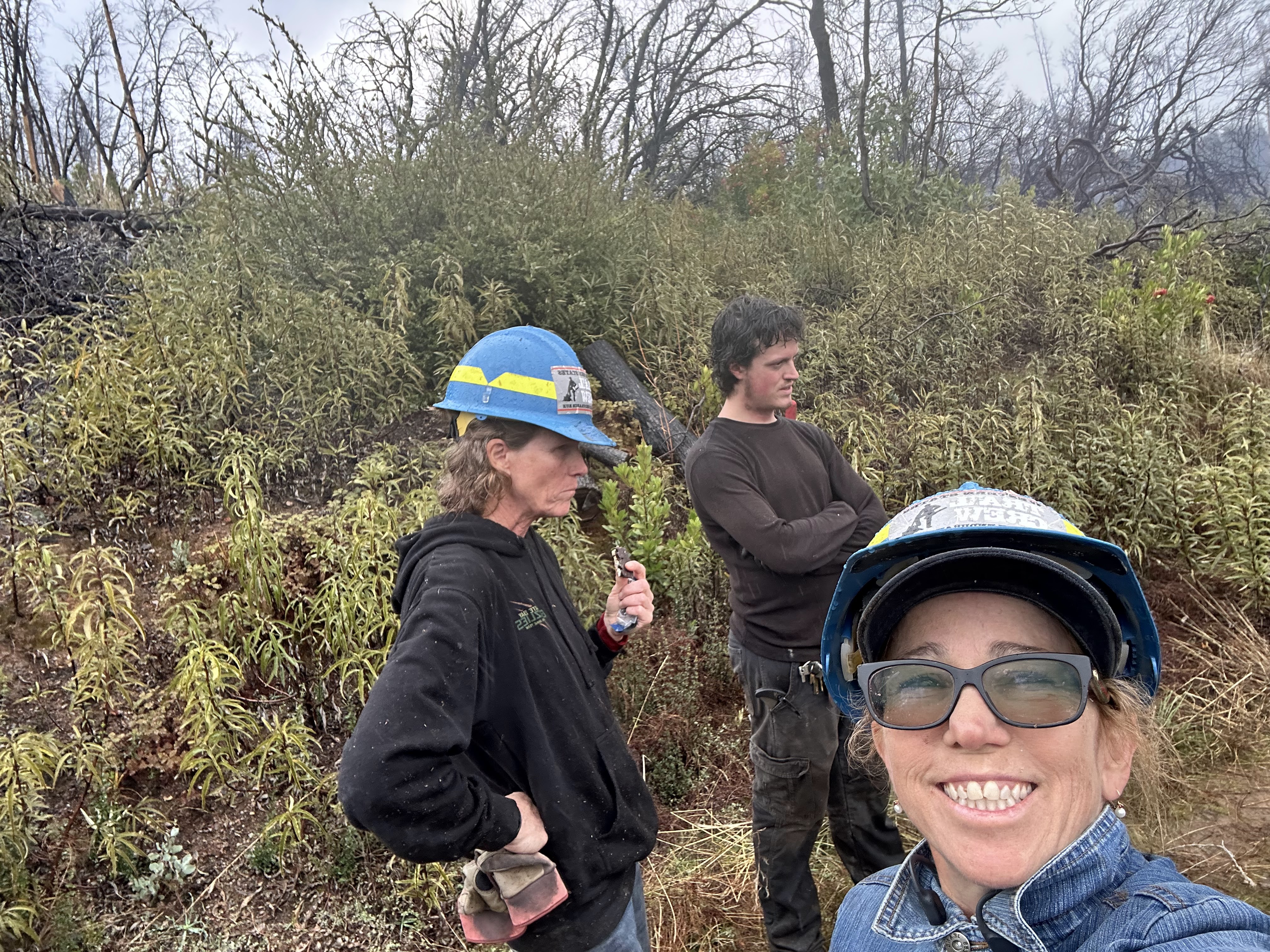
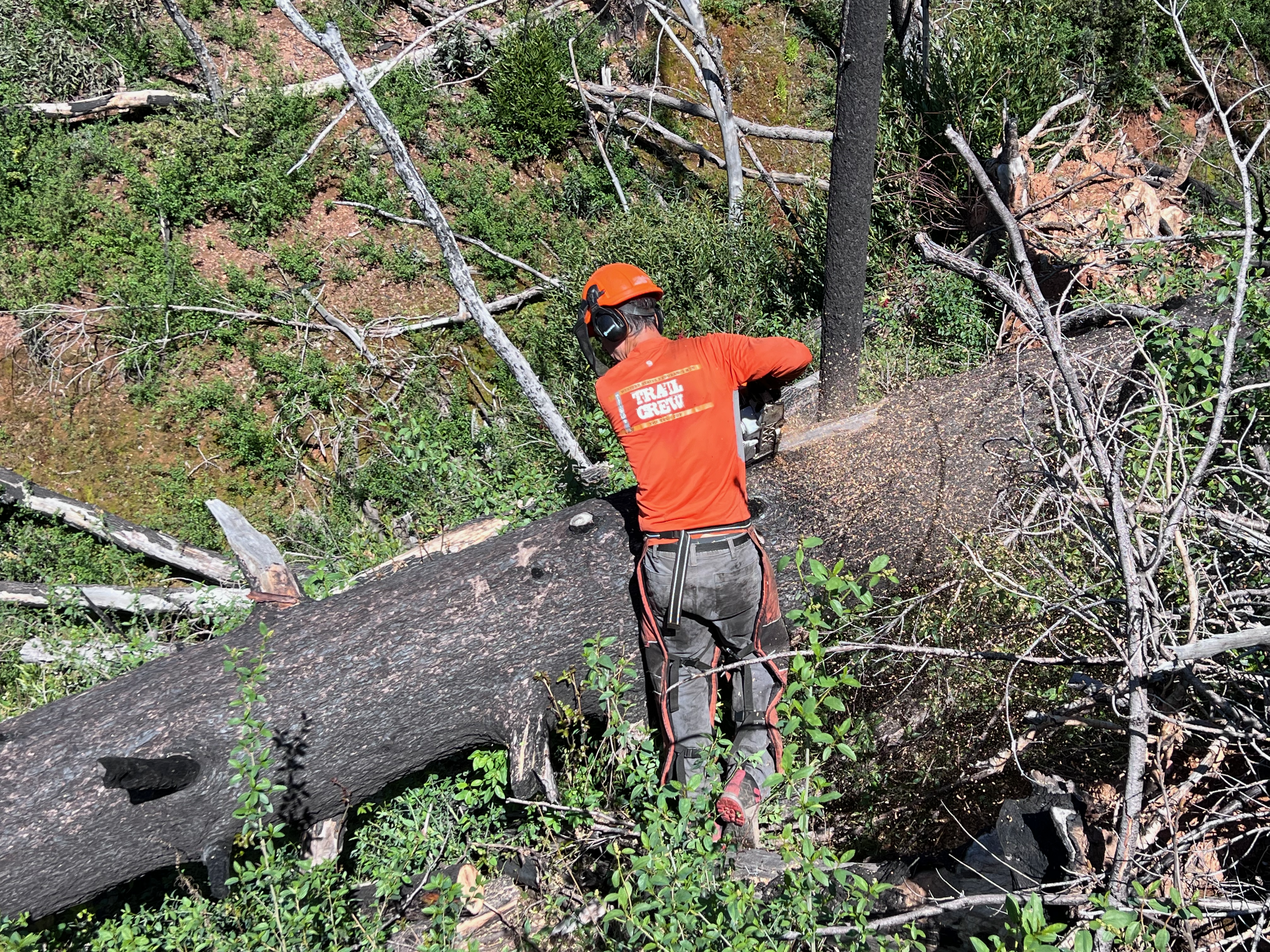
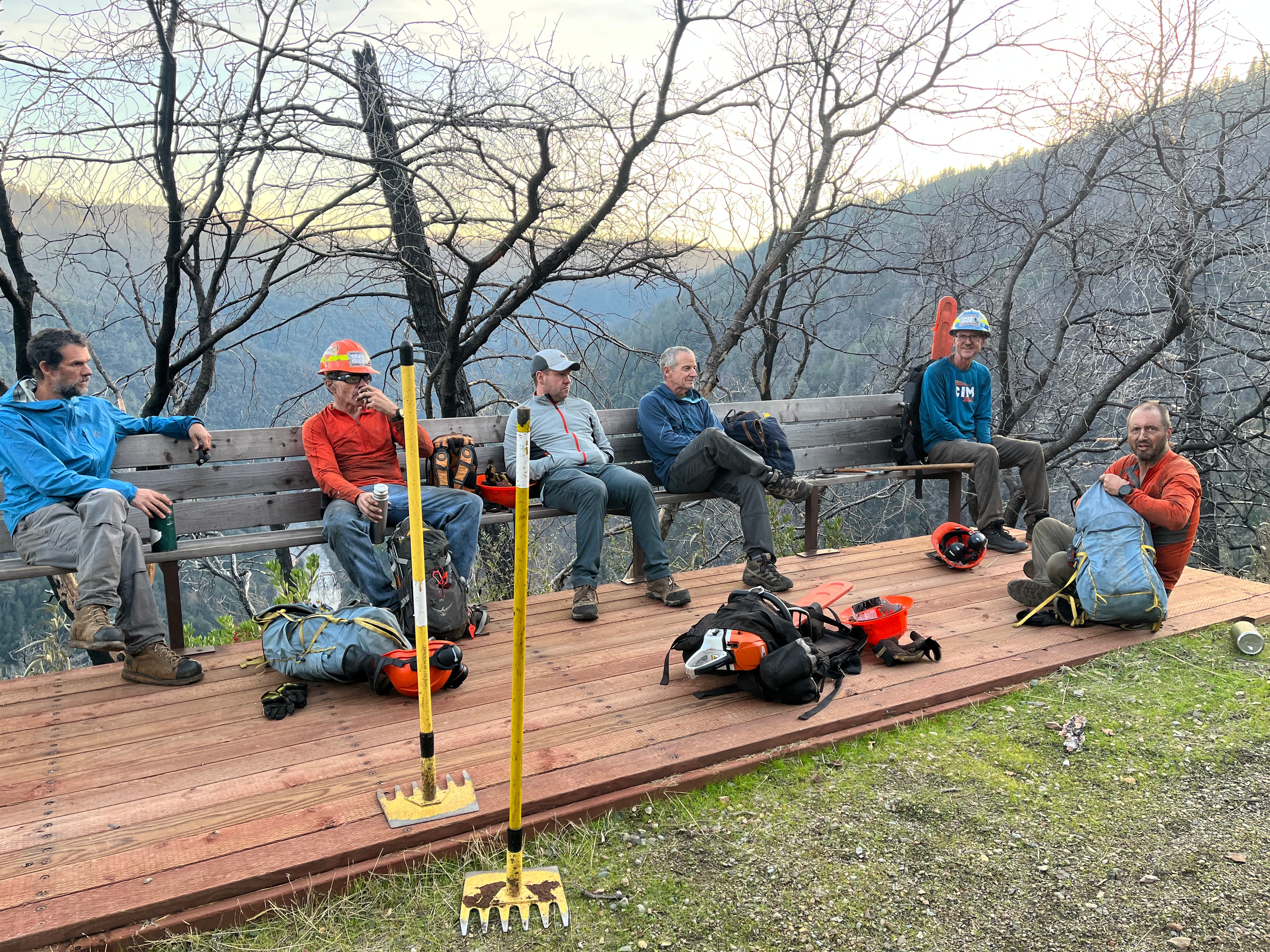
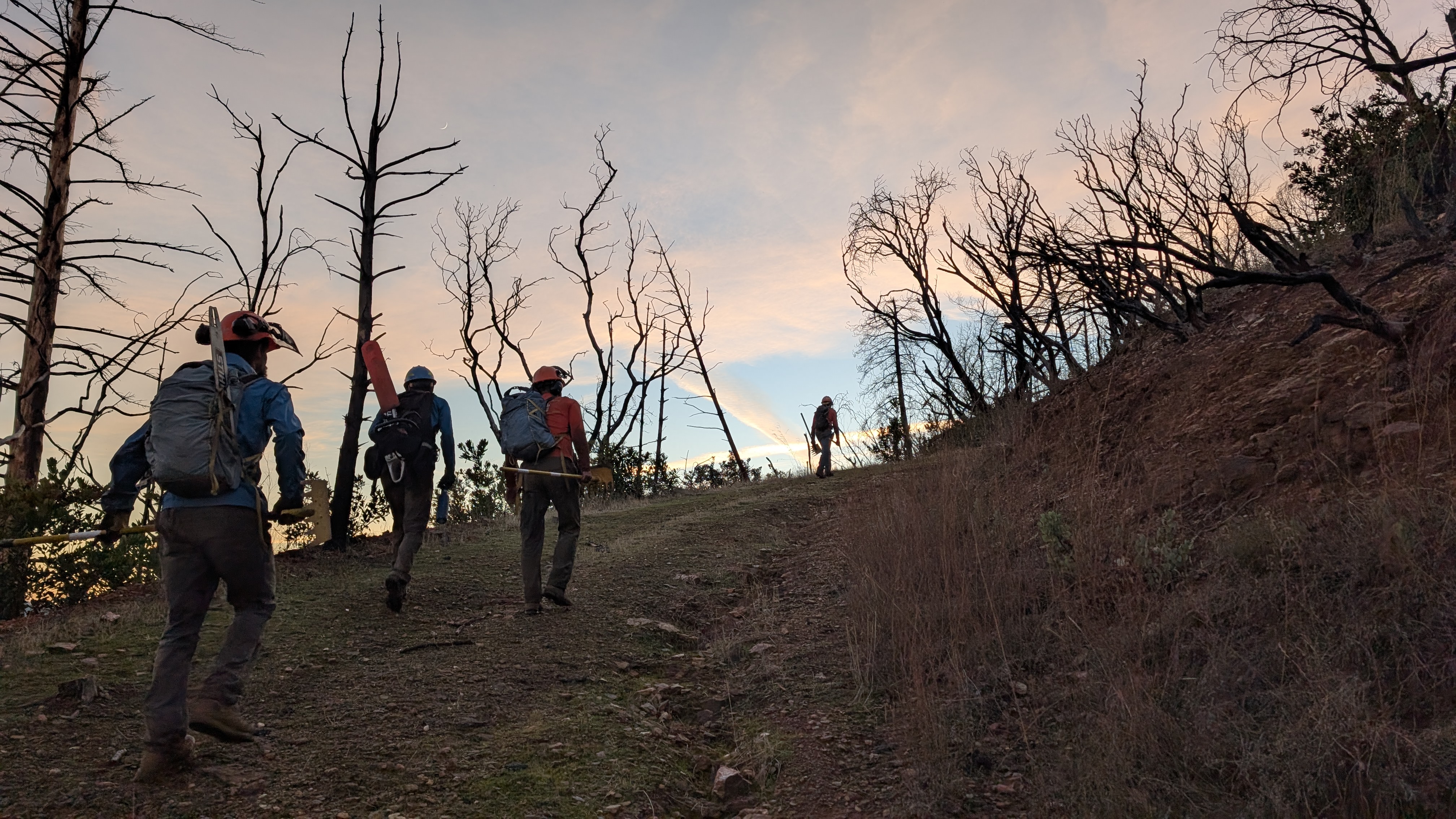
The Western States Trail must be protected (by the above described initiatives) and preserved. That’s where you come in. Below are links to ways in which you can volunteer for trail maintenance and/or provide a tax-deductable donation to one or several non-profit entities helping to protect this Sierra Gem.
Click on any logo below to be taken to their page for volunteering or donations. We need your help – it takes a village!. Get involved now.


Photo Gallery
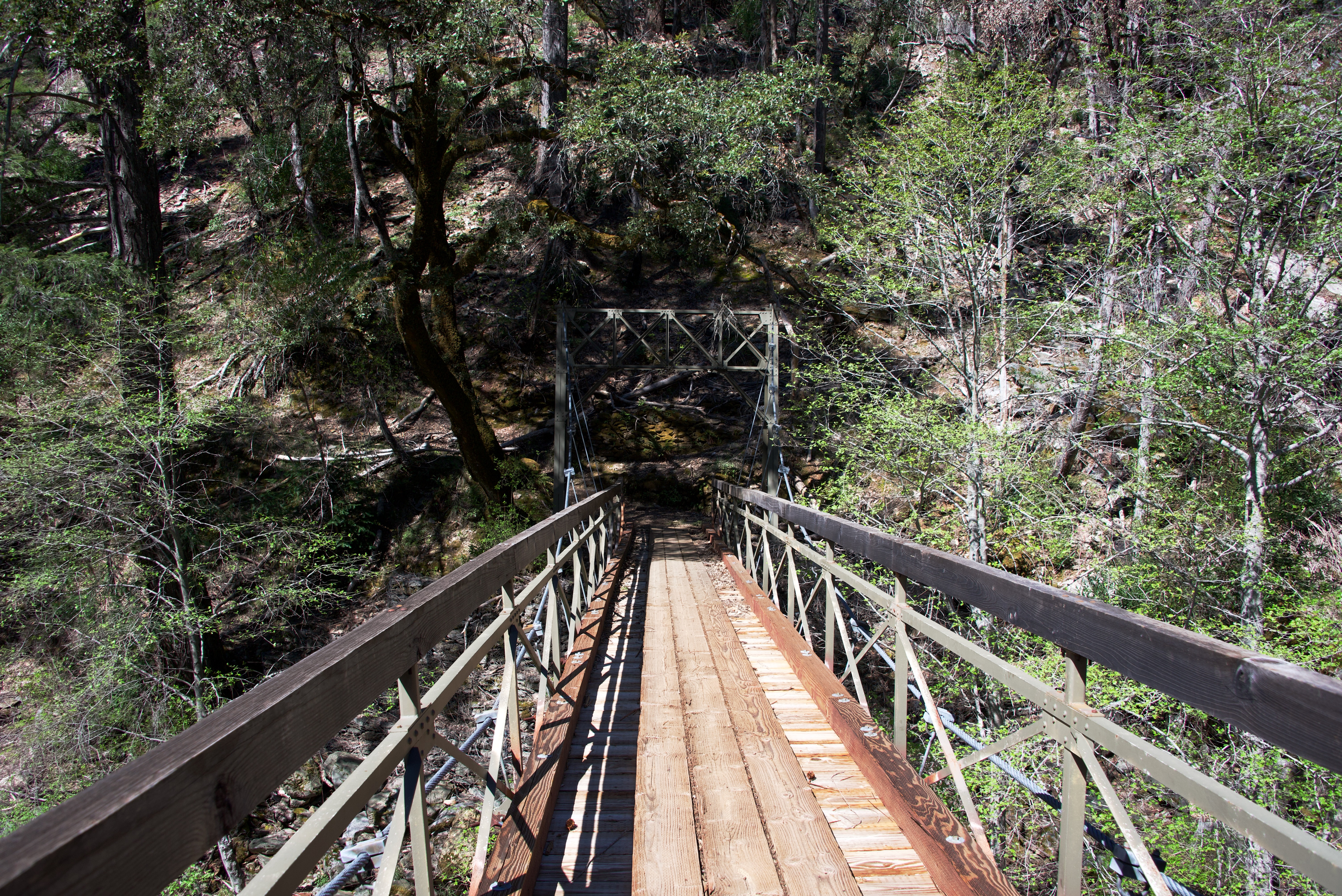
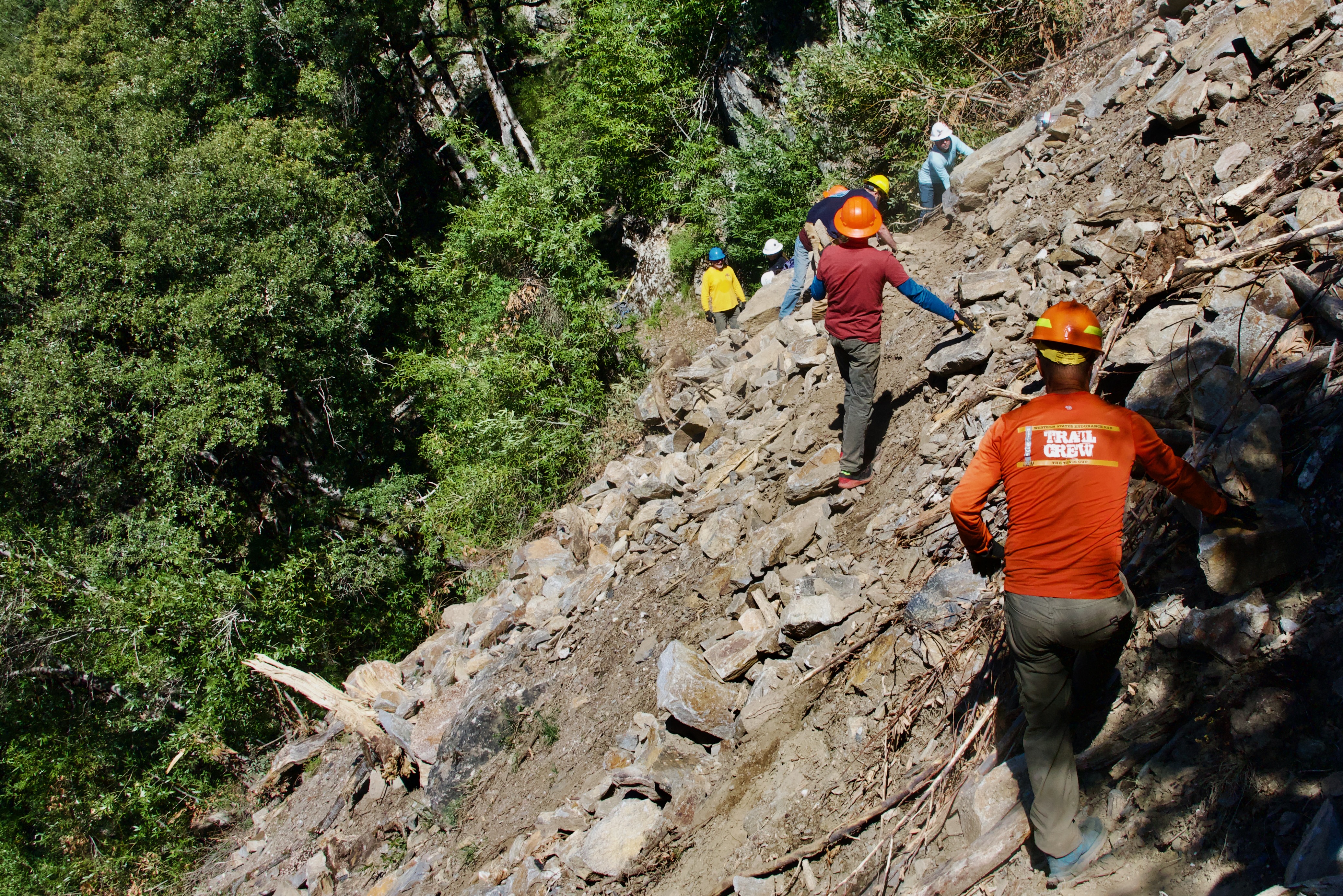
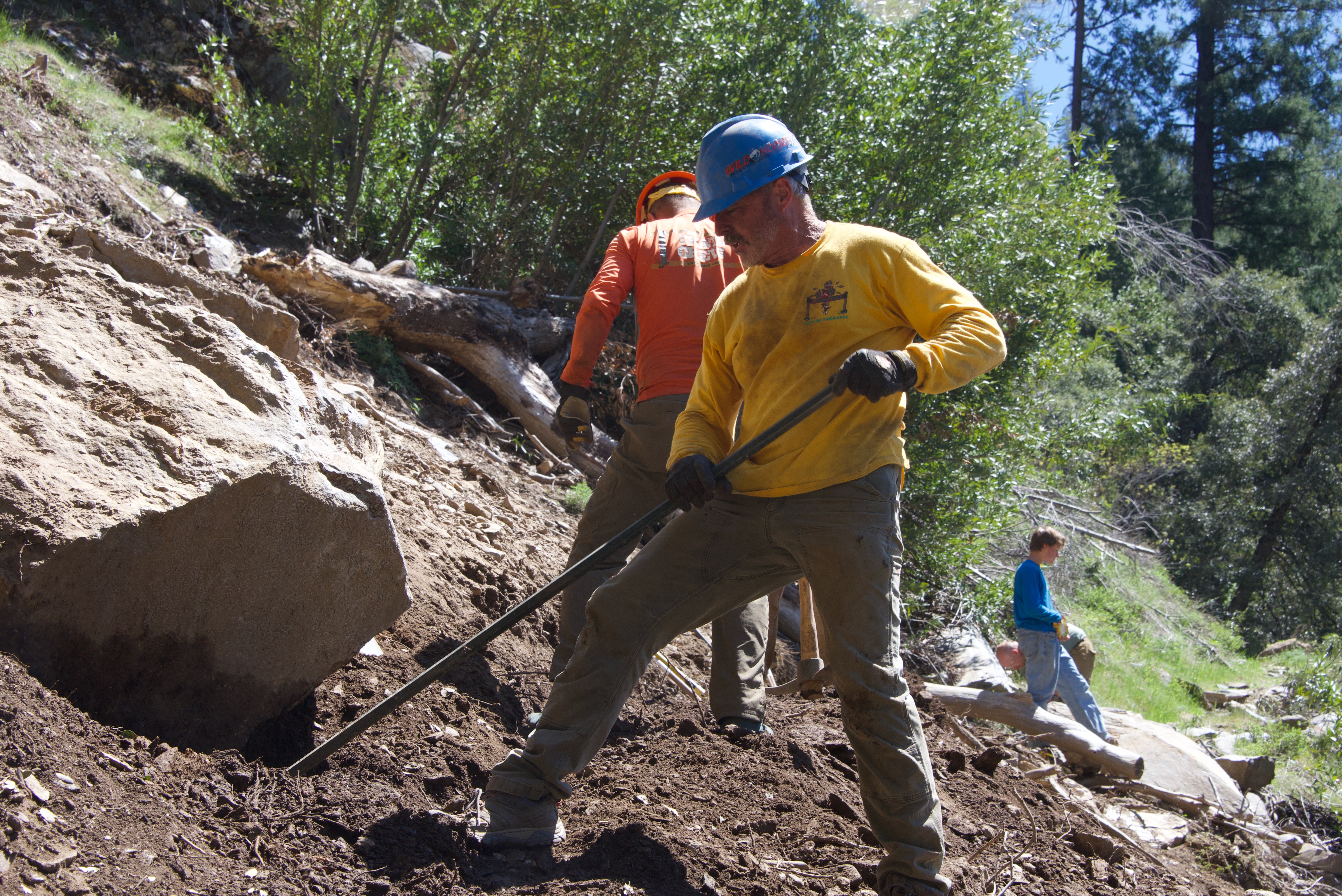
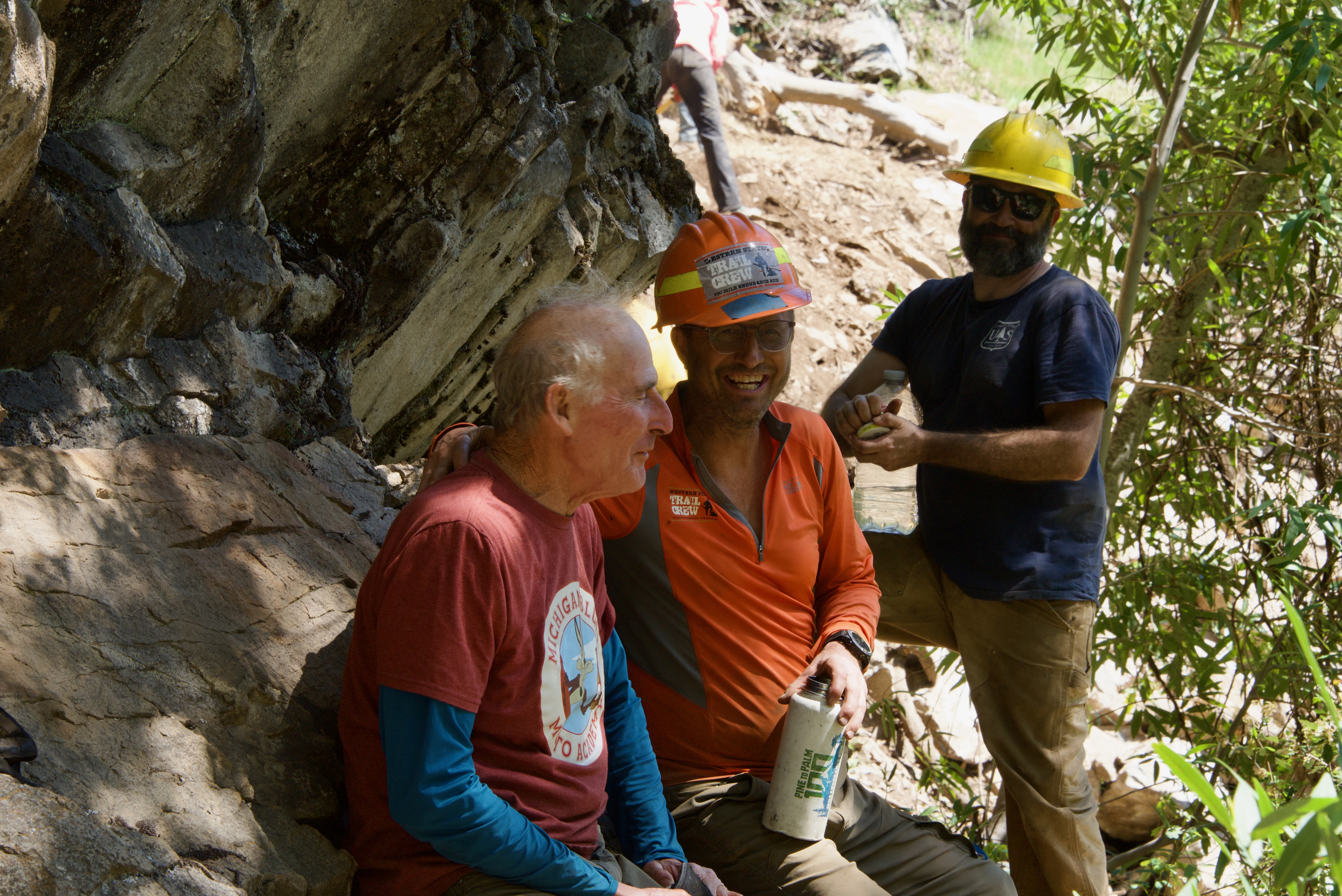

Don’t Miss These History Expedition Features
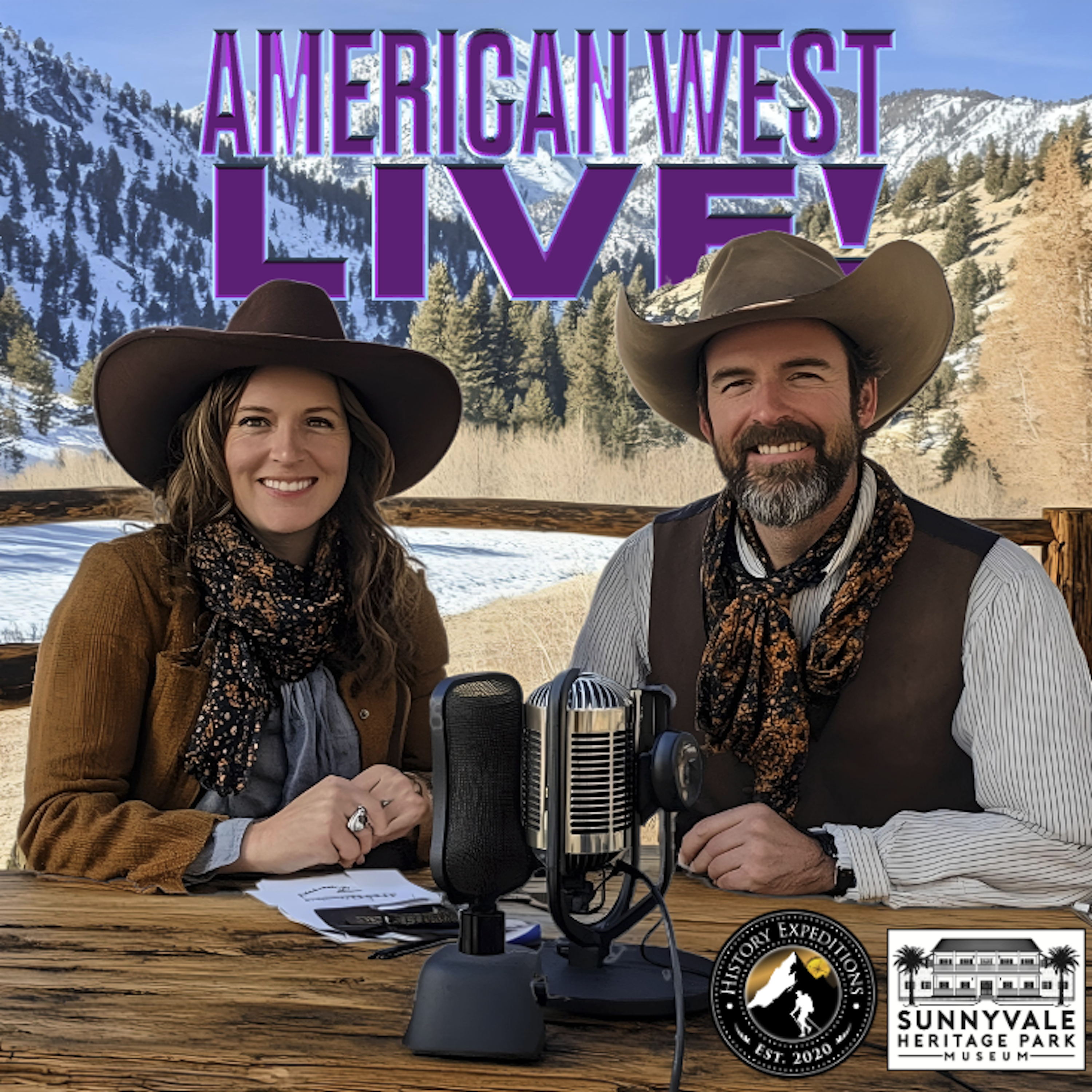
American West Live! Podcast
Learn about one of the most intriguing stories of the American West, the Stephens-Townsend-Murphy Party, by listening to our “minicasts”, a series of 10-minute podcasts episodes that tell this compelling tale by bring history to life. Listen to all the episodes here or at any of your favorite podcast platforms like Apple, Spotify, etc… by searching on “American West Live”.
Survivors & Heroes Expedition 2025
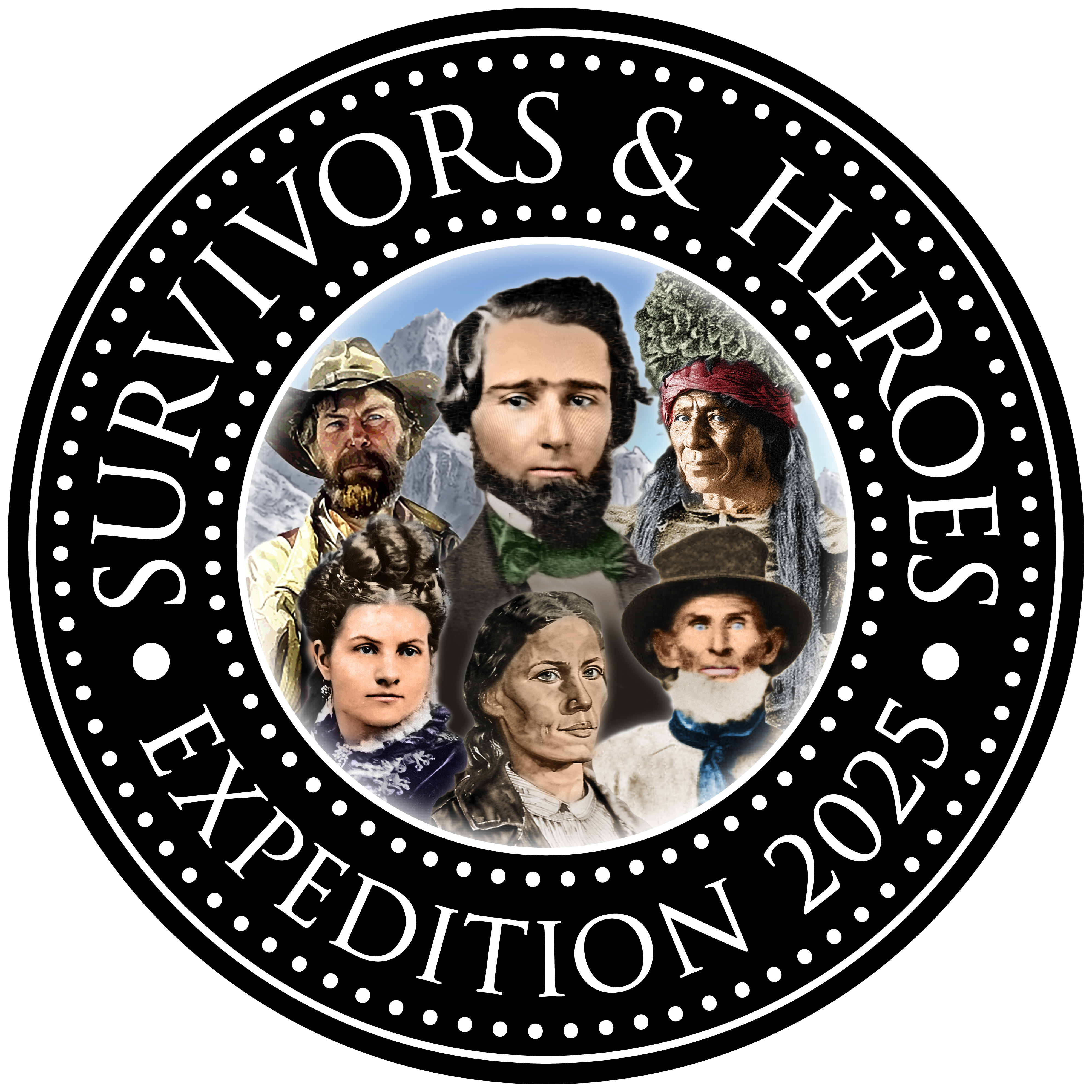
Each year History Expeditions deep dives into finding a lost American West trail and tales and then shares the stories, new discoveries, how history sometimes gets it wrong AND we go out and retrace the discovered trail ourselves as an expedition.
In October 2025 we will reprising the Horseback Party of Six who went out ahead of the Stephens-Townsend-Murphy Party in 1844, from Truckee (Donner) Lake to Sutter’s Fort. It’ll be our first equestrian expedition and we will provide live tracking and in-the-field updates during our 5-day journey (Sep 29-Oct 3).
Join our on-line community to learn more, receive updates on the Expedition and learn all about this fascinating American West story.